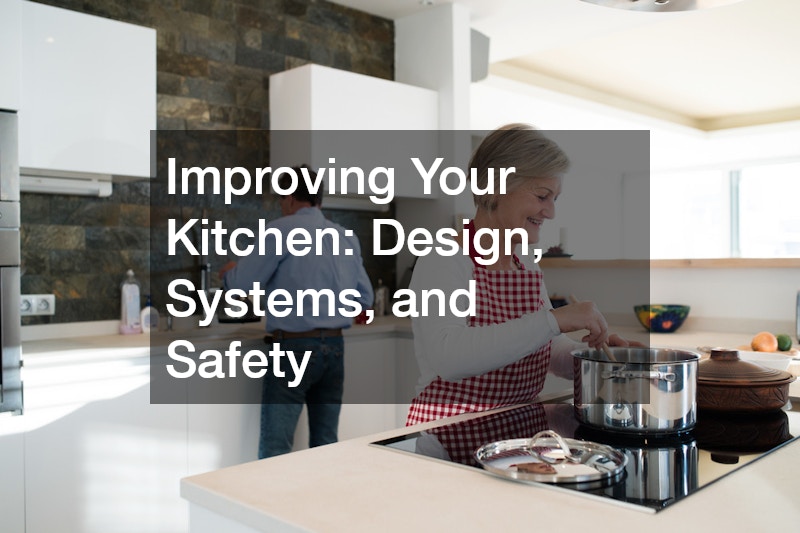
A well-designed kitchen is more than an attractive space; it’s a system of storage, airflow, utilities, and safety measures working together. Whether you’re upgrading a dated layout or planning a full renovation, understanding how design decisions affect daily function and long-term maintenance can save money, improve safety, and increase comfort. The following strategies break down the most impactful ways to improve your kitchen by focusing on smart design choices, reliable systems, and proactive safety planning.
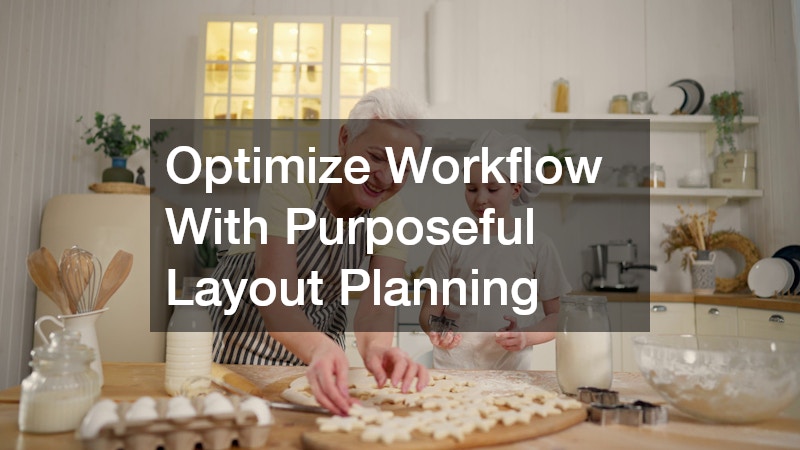
Optimize Storage Layout to Reduce Clutter and Improve Workflow
Efficient storage is the foundation of a functional kitchen. Poorly planned cabinets lead to overcrowded counters, awkward reach zones, and wasted space that makes cooking harder than it needs to be. Start by assessing how you actually use your kitchen, such as where prep happens, where small appliances live, and which items you access daily versus occasionally.
Working with custom cabinetry services allows storage to be tailored to your habits rather than forcing your routines to fit generic layouts. Deep drawers for pots, pull-out spice racks near the cooktop, vertical tray dividers, and built-in recycling pull-outs all improve accessibility while keeping surfaces clear. Custom solutions also help maximize corners and tight spaces that standard cabinets often waste.
Thoughtful cabinet planning reduces visual clutter, shortens prep time, and minimizes unnecessary movement, which is especially valuable in smaller kitchens.
Improve Airflow and Reduce Fire Risk Through Proactive Ventilation Care
Cooking releases heat, smoke, grease particles, and moisture that can quickly degrade air quality if they are not properly managed. Over time, these byproducts settle on surfaces, inside ductwork, and around appliances, creating both cleanliness issues and potential safety concerns. Effective ventilation removes airborne contaminants before they spread throughout the home.
Routine kitchen hood grease cleaning plays a critical role in maintaining proper airflow and reducing fire risk. When grease accumulates on hood filters and interior surfaces, it restricts ventilation performance and increases strain on the exhaust fan. Left unchecked, buildup can also become a combustible hazard. Cleaning schedules should be based on cooking frequency, with heavy-use kitchens requiring more frequent service.
In addition to professional cleanings, homeowners should regularly wipe exterior hood surfaces, inspect filters for buildup, and ensure vents remain unobstructed. Consistent ventilation maintenance improves indoor air quality, protects surrounding cabinetry from grease damage, and helps the kitchen operate more safely and efficiently during everyday use.
Protect Pipes and Prevent Costly Water Damage With Routine Maintenance
Kitchen plumbing quietly supports everything from cooking to cleaning, yet it’s often ignored until a problem arises. Grease, food particles, and soap residue gradually build up in pipes, increasing the likelihood of slow drains or sudden backups.
Scheduling a drain cleaning service on a preventative basis helps maintain proper flow and reduces stress on plumbing systems. Professional cleaning removes buildup that household chemicals can’t fully address, extending pipe life and preventing unpleasant odors or leaks under sinks.
Good plumbing maintenance also protects cabinets and flooring from moisture damage, which can be expensive to repair once it’s visible. A clean, free-flowing drainage system keeps your kitchen functional and avoids disruptions during busy routines.

Increase Comfort and Efficiency With Smart Floor Heating Solutions
Kitchen floors are one of the most used surfaces in the home, yet they’re often cold and uncomfortable, especially in the winter months. Heating upgrades can dramatically improve comfort while also enhancing energy efficiency when installed strategically.
Radiant heating systems provide even, consistent warmth from the floor up, eliminating cold spots and reducing reliance on forced-air heating. These systems work particularly well under tile or stone floors and can be zoned so the kitchen stays comfortable without overheating adjacent rooms.
Beyond comfort, radiant heat keeps floors dry, reducing slip hazards and helping maintain cleaner surfaces. When integrated during a remodel, it’s an upgrade that delivers daily benefits without visible clutter.
Design the Layout Around How You Actually Use the Space
A kitchen that looks good but functions poorly quickly becomes frustrating. Effective layouts are based on movement patterns, sightlines, and task efficiency, not just trends. Before finalizing a plan, consider how many people cook at once, where bottlenecks occur, and how traffic flows through the space.
Strong kitchen design prioritizes clear work zones for prep, cooking, and cleaning while maintaining adequate clearance for doors and walkways. Island placement, appliance spacing, and lighting should all support safe movement and visibility.
Design decisions made early, such as outlet placement and counter depth, have lasting effects on usability. A well-planned layout reduces fatigue, improves safety, and makes the kitchen more enjoyable for everyday use.
Choose Durable Surfaces That Balance Style and Maintenance
Countertops are among the most visible and heavily used features in a kitchen. They must withstand heat, moisture, and daily wear while remaining easy to clean and visually cohesive with the rest of the space. Because they serve as prep areas, dining surfaces, and gathering points, countertops need to perform reliably under constant use without showing premature wear.
Professional countertop installation ensures proper sealing, level surfaces, and secure fittings around sinks and appliances, all of which are critical for long-term durability. Poor installation can lead to gaps, uneven seams, or water penetration that damages underlying cabinetry. Material choice also plays a major role in maintenance requirements and longevity. Quartz offers a consistent appearance and minimal upkeep, granite provides exceptional durability with natural character, and solid surface materials allow scratches or minor damage to be repaired seamlessly.
Edge profiles, backsplash integration, and thickness should also be considered, as these details influence both safety and cleaning ease. Rounded edges reduce impact damage and are easier to maintain, while integrated backsplashes help contain spills. Beyond appearance, well-installed countertops protect surrounding structures and maintain stability over time. Investing in quality materials and skilled workmanship ensures countertops remain functional, attractive, and resilient for years to come.

Upgrade Entry Points to Improve Safety, Light, and Energy Performance
Kitchen doors, whether leading outside, to a pantry, or to adjoining spaces, play a major role in energy efficiency, safety, and daily convenience. Because these entry points are used frequently, wear and tear can develop quickly. Gaps, warped frames, or failing seals allow drafts to enter, make temperature control more difficult, and increase energy costs. Doors that stick or fail to latch properly can also create safety concerns, particularly in busy households.
Strategic door replacement addresses these issues while providing an opportunity to enhance both function and appearance. Modern door designs offer improved insulation, tighter seals, and stronger materials that help maintain consistent indoor temperatures throughout the year. Glass doors or models with integrated blinds can bring in natural light, improving visibility and making the kitchen feel more open without sacrificing privacy. For exterior doors, upgraded locking systems and impact-resistant materials also enhance home security.
Replacing doors allows homeowners to evaluate related details that are often overlooked. Updating thresholds helps prevent water intrusion and reduces tripping hazards, while new hardware improves ease of use and durability. Proper installation ensures smooth operation and eliminates drafts that compromise comfort. Together, these upgrades contribute to a safer, brighter, and more energy-efficient kitchen that performs reliably in every season.
Reduce Waste and Improve Organization With Smarter Disposal Systems
Modern kitchens are increasingly designed with sustainability and efficiency in mind. Managing waste effectively not only benefits the environment but also keeps the kitchen cleaner, safer, and more organized. When disposal systems are thoughtfully planned, they reduce visual clutter and make everyday tasks feel more streamlined rather than burdensome.
Integrating recycling services into daily routines starts with smart design choices that prioritize accessibility and ease of use. Built-in sorting stations under the sink, inside pull-out cabinets, or within pantry areas allow household members to separate recyclables, compost, and trash without interrupting workflow. Positioning these stations near prep and cleanup zones minimizes unnecessary movement and encourages consistent participation. Clear labeling, color-coded bins, and appropriately sized containers help prevent contamination and make systems intuitive for guests and children alike.
Beyond organization, efficient disposal systems contribute to improved hygiene. Sealed bins, hands-free lids, and removable liners help contain odors and reduce exposure to bacteria. Regular emptying schedules and washable containers further support cleanliness. Over time, these small but intentional choices promote responsible habits while maintaining a tidy kitchen environment. By simplifying waste management, homeowners can support sustainability goals without adding complexity to daily cooking or cleanup routines, ensuring the kitchen remains both functional and environmentally conscious.
Coordinate Adjacent Renovations for Better Long-Term Value
Kitchen upgrades often occur alongside improvements to nearby spaces, particularly bathrooms. Coordinating projects can reduce disruption, align design elements, and create cost efficiencies that are difficult to achieve when renovations are handled separately. When work is planned together, homeowners can streamline timelines, minimize repeated demolition, and reduce the overall impact on daily living.
Planning a bathroom remodel at the same time allows for shared decisions on materials, layouts, and system upgrades. Plumbing and electrical work can often be coordinated, reducing labor redundancy and making it easier to address aging infrastructure behind walls. Contractors can sequence tasks more efficiently, which may lower project costs and shorten completion times. Selecting complementary finishes, such as matching hardware styles, color palettes, or flooring materials, creates visual continuity that makes the home feel more intentional and well-designed.
Coordinated renovations also simplify long-term maintenance. Using similar fixtures, finishes, and materials across spaces makes it easier to source replacement parts, follow consistent cleaning routines, and manage warranties. From a resale perspective, buyers often evaluate kitchens and bathrooms together, viewing them as indicators of overall home quality. When these spaces feel updated, cohesive, and thoughtfully planned, they signal care and investment. As a result, coordinated upgrades can significantly improve market appeal and help maximize long-term return on investment.

Build a Maintenance Plan to Preserve Safety and Performance
Even the most thoughtfully planned kitchen depends on consistent upkeep to remain safe and efficient over time. Daily use places stress on appliances, ventilation, and electrical components, making routine maintenance essential for preventing performance issues and safety risks. A structured plan ensures nothing critical is overlooked as the kitchen ages.
Start by organizing maintenance tasks into weekly, monthly, and annual categories. Weekly habits may include wiping down high-use surfaces and checking appliance operation. Monthly tasks can involve cleaning filters, inspecting seals around sinks and appliances, and testing safety devices. Annual reviews are ideal for scheduling professional inspections and verifying that protective systems are functioning correctly, including a fire alarm inspection to ensure detectors respond properly and are positioned for optimal coverage.
Documenting service dates, warranties, and inspection results creates a clear maintenance history and simplifies future planning. Addressing small concerns early, such as inconsistent airflow, loose fittings, or warning signals, helps avoid costly repairs and unexpected disruptions. With a proactive approach, your kitchen remains dependable, safe, and fully functional, allowing you to enjoy the space with confidence year after year.
Improving your kitchen requires more than surface-level updates. By focusing on thoughtful design, reliable systems, and proactive safety measures, you can create a space that supports daily routines while standing up to long-term use. Strategic planning, regular maintenance, and informed decisions transform the kitchen into a safer, more efficient, and more enjoyable part of the home, one that truly works as hard as you do.
A truly effective kitchen upgrade starts with understanding how each element interacts with the others. Design choices influence how comfortably you move through the space, while mechanical systems determine how well the kitchen handles heat, moisture, and daily wear. When these components are planned together rather than in isolation, the result is a space that feels intuitive, balanced, and resilient. Small details, such as proper lighting placement, well-organized storage, and dependable ventilation, add up to significant improvements in usability and comfort over time.
Equally important is adopting a long-term mindset. Kitchens experience constant use, and even high-quality materials require upkeep to perform at their best. Establishing a routine for inspections, cleaning, and minor repairs helps prevent small issues from turning into costly disruptions. By prioritizing durability, safety, and efficiency from the outset, homeowners can ensure their kitchen remains a functional centerpiece of the home for years to come, adapting easily to changing needs and lifestyles.