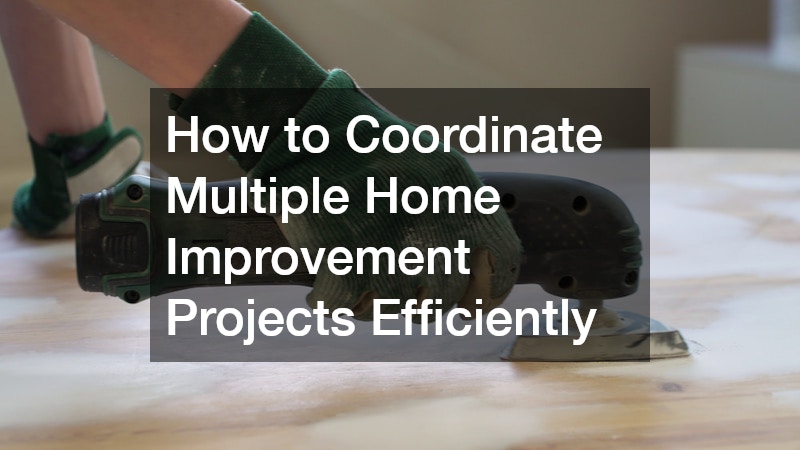
Owning a home is rewarding, but it also comes with an ongoing responsibility that never quite goes away. Things wear down, systems age, and small issues quietly build into expensive problems if left unchecked. The difference between a well-maintained home and one constantly dealing with emergencies often comes down to timing.
Planning upgrades ahead of time allows you to stay in control. Instead of reacting to breakdowns, you’re anticipating them. That shift not only saves money, but it also reduces stress and helps your home stay comfortable, safe, and efficient year-round.
Upgrade Your Water Systems Before Failures Happen

Water systems are easy to ignore—until they stop working. By the time most homeowners notice a problem, it’s already urgent. A cold shower on a winter morning or a sudden leak under the floor tends to force immediate action.
If your system is more than 8–12 years old, it’s worth taking a closer look. Subtle warning signs often show up early:
- Water takes longer to heat
- Strange popping or rumbling sounds
- Rust-colored water or metallic smells
At this stage, you’re often deciding between water heater repair and full replacement. Repairs can extend life temporarily, but they don’t always solve underlying wear. Planning ahead gives you time to weigh energy-efficient upgrades instead of rushing into a quick fix.
It’s also smart to have periodic inspections done by a plumbing company that can assess pressure levels, sediment buildup, and potential leak points. These visits are rarely dramatic—but that’s the point. Preventive attention keeps small issues from turning into major disruptions.
Improve Exterior Cleanliness to Prevent Long-Term Damage
Your home’s exterior quietly absorbs everything the environment throws at it—dust, pollen, mold, algae, and pollution. Over time, that buildup doesn’t just look bad; it actively breaks down materials.
Think of siding that starts to discolor or a driveway that becomes permanently stained. These are not just cosmetic issues. Left untreated, they can lead to surface deterioration, moisture retention, and even structural damage.
Routine cleaning is one of the simplest ways to extend the life of your home. While some homeowners attempt DIY cleaning, certain surfaces require more care than a garden hose can provide. That’s where professional power washing becomes valuable.
Done correctly, it can:
- Remove deep-set contaminants without damaging surfaces
- Restore curb appeal quickly
- Prevent long-term material degradation
The key is timing. Scheduling cleaning once or twice a year—especially after heavy pollen seasons or humid months—keeps buildup from reaching damaging levels.
Plan Roof Improvements Before Small Issues Escalate
Roof problems rarely begin as emergencies. They start small—a missing shingle, a barely noticeable leak, or a slight dip in the roofline. The issue is that these small signs are easy to overlook.
By the time water stains appear inside your home, the damage has often spread beyond the surface.
A proactive approach involves periodic inspections and a willingness to act early. If your roof is nearing the end of its expected lifespan, planning a roof installation before failure gives you control over materials, scheduling, and cost.
Working with an experienced roofer can help you understand:
- Whether repairs will hold or simply delay replacement
- Which materials perform best in your climate
- How ventilation and insulation affect roof longevity
Homeowners who plan roof upgrades ahead of time often avoid the stress of emergency repairs during storms or extreme weather.
Protect and Extend Roof Life With Preventive Treatments

Not every roof needs immediate replacement. In many cases, extending its lifespan is both possible and practical.
One of the most effective strategies is applying a shingle roof coating. This treatment acts as a protective barrier, shielding shingles from UV rays, moisture, and general wear.
It’s especially useful if your roof is structurally sound but beginning to show surface aging. Instead of waiting for deterioration to accelerate, a coating can slow the process and buy you valuable time.
This approach works best when:
- Shingles are intact but fading or drying out
- Minor granule loss is visible
- You want to delay full replacement by several years
The decision often comes down to timing. Applying protection early is far more effective than trying to restore damage after it has progressed.
Upgrade Insulation to Lower Energy Bills Year-Round
Energy efficiency is one of the most overlooked aspects of home comfort. Many homeowners assume rising utility bills are unavoidable when, in reality, poor insulation is often the hidden cause.
You might notice:
- Rooms that feel colder or hotter than others
- HVAC systems running constantly
- Drafts even when windows are closed
Upgrading insulation doesn’t just improve comfort—it reduces strain on heating and cooling systems, which can extend their lifespan.
Focus on key areas:
- Attics, where heat loss is most common
- Walls, especially in older homes
- Crawl spaces and basements
The improvement can be immediate. Homes with proper insulation maintain more stable indoor temperatures, making daily living noticeably more comfortable.
Replace Aging Pumps Before They Fail Unexpectedly
Certain systems in your home operate quietly in the background until they suddenly don’t. Pumps fall squarely into this category.
Whether it’s a sump pump preventing flooding or a well pump supplying water, failure can lead to immediate and costly damage.
Warning signs are often subtle:
- Frequent cycling on and off
- Unusual vibrations or noise
- Slower performance or reduced pressure
Planning a pump replacement before failure ensures you’re not dealing with water damage during a storm or high-demand period.
Timing matters here. Replacing a pump during dry conditions is far easier than scrambling during heavy rain or flooding.
Manage Outdoor Risks With Strategic Tree Maintenance
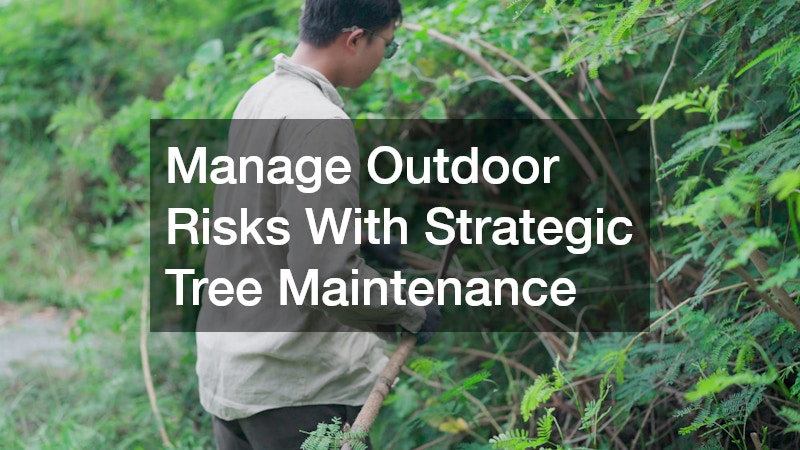
Trees add beauty and shade, but they can also pose serious risks if not properly maintained. Over time, branches grow heavier, roots expand, and structural weaknesses develop.
A tree that looks stable can still become a hazard during storms.
Signs to watch for include:
- Leaning trunks or uneven growth
- Cracked or hollow sections
- Branches extending over your roof
In some cases, trimming is enough. In others, tree removal becomes necessary to protect your home.
This isn’t just about safety—it’s about prevention. Fallen branches can damage roofing, siding, and even foundations. Addressing risks early keeps your property intact and avoids emergency situations.
Declutter Your Property to Maintain Safety and Space
Clutter builds gradually. A few unused items in the garage turn into stacks of forgotten belongings. Yard debris accumulates after seasonal projects. Before long, spaces meant for functionality become difficult to use.
This isn’t just an aesthetic issue. Clutter can:
- Create fire hazards
- Attract pests
- Limit usable space for storage or movement
At a certain point, clearing it yourself becomes overwhelming. That’s when a local junk removal service can simplify the process.
They help remove:
- Old furniture and appliances
- Construction debris
- Yard waste and bulky items
The result is immediate. Spaces feel more open, safer, and easier to maintain going forward.
Coordinate Upgrades for Maximum Efficiency and Savings
One of the biggest mistakes homeowners make is treating upgrades as isolated projects. In reality, many systems are interconnected.
For example, roofing, ventilation, and plumbing all influence each other in subtle ways. Coordinating upgrades allows you to:
- Reduce overlapping labor costs
- Minimize disruption to your home
- Improve overall system performance
Working with professionals—whether it’s a plumbing company or a roofer—can help you create a timeline that makes sense.
Instead of reacting to individual issues, you’re building a long-term strategy. This approach often leads to better outcomes and fewer surprises.
Build a Preventive Maintenance Plan That Works
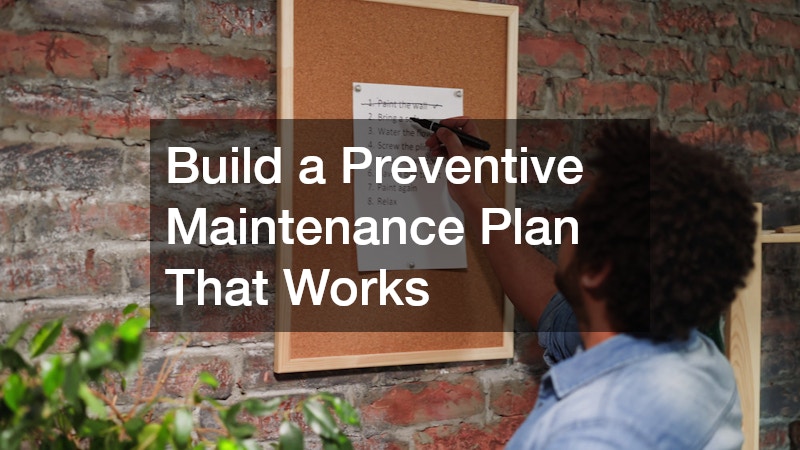
Consistency is what turns good intentions into real results. Without a plan, even the most important upgrades get delayed or forgotten. What starts as “I’ll get to that later” often turns into avoidable repairs, higher costs, and unnecessary stress.
The goal of a preventative maintenance plan isn’t to create more work—it’s to reduce surprises when you know what needs attention and when, your home becomes far easier to manage.
Create a Seasonal Rhythm Instead of Random Tasks
One of the simplest ways to stay organized is to tie maintenance tasks to the seasons. Homes naturally experience different stresses throughout the year, so aligning your efforts with those changes makes everything more manageable.
Instead of keeping a long, overwhelming to-do list, break it down into smaller, seasonal checkpoints:
- Spring: Inspect exterior surfaces, clean gutters, check for winter damage
- Summer: Focus on outdoor spaces, drainage, and ventilation
- Fall: Prepare for colder months by sealing gaps and checking heating systems
- Winter: Monitor indoor systems and watch for moisture or insulation issues
This rhythm keeps tasks predictable. You’re not trying to remember everything at once—you’re simply following a pattern that repeats each year.
Track the Age and Condition of Key Systems
Every major system in your home has a lifespan, but most homeowners don’t keep track of it. That’s where problems begin. When you don’t know how old something is, you can’t anticipate when it might fail.
Start by listing out essential components:
- Roof
- Water heater
- HVAC system
- Pumps
- Appliances
Then note their installation dates and expected lifespans. You don’t need exact numbers—just a general range is enough to guide your decisions.
This small step changes your mindset. Instead of being surprised when something breaks, you begin to expect when it might need attention.
Budget Gradually Instead of Paying All at Once
One of the biggest barriers to home maintenance is cost—but the real issue is often timing, not the total expense.
Unexpected repairs feel overwhelming because they require immediate payment. Planned upgrades, on the other hand, can be spaced out.
A practical approach is to set aside a small, consistent amount each month for home upkeep. Over time, this builds a buffer that allows you to:
- Handle repairs without financial stress
- Upgrade systems before they fail
- Avoid putting off necessary improvements
Even modest contributions add up. The key is consistency, not perfection.
Prioritize Tasks Based on Impact, Not Urgency
Not all maintenance tasks are equal. Some protect your home’s structure, while others improve appearance or convenience.
It’s easy to focus on what’s visible—cleaning, organizing, or small cosmetic fixes. But the most important tasks are often the ones you don’t see.
For example, regular professional power washing helps prevent long-term exterior damage, even if the house doesn’t look particularly dirty. Similarly, checking insulation levels might not feel urgent, but it directly impacts energy efficiency and comfort.
A good rule of thumb:
- Protect structure first (roof, water systems, foundation)
- Improve efficiency next (insulation, ventilation)
- Address aesthetics last
This ensures your time and money go toward what truly matters.
Use Simple Systems to Stay Organized
You don’t need complex tools to manage your home effectively. In fact, simpler systems tend to work better because they’re easier to maintain.
Consider using:
- A digital calendar with seasonal reminders
- A basic spreadsheet to track systems and repairs
- A notebook dedicated to home maintenance notes
The goal isn’t perfection—it’s visibility. When everything is written down, you’re far less likely to forget important tasks.
Build Habits That Reduce Future Work
Preventative maintenance becomes easier when it’s tied to small, repeatable habits rather than great, occasional efforts.
For example:
- Taking a few minutes each month to visually inspect key areas
- Addressing small issues immediately instead of waiting
- Keeping tools and supplies easily accessible
These habits reduce the need for major interventions later. Instead of dealing with large problems, you’re making small adjustments along the way.
Recognize the Long-Term Payoff
At first, a maintenance plan might feel like extra effort. But over time, the benefits become clear.
Homes that are consistently maintained tend to:
- Experience fewer unexpected repairs
- Retain higher property value
- Feel more comfortable and efficient year-round
More importantly, they create a sense of control. You’re no longer reacting to issues—you’re managing them proactively.
Over time, this routine becomes second nature. Instead of reacting to problems, you’re staying ahead of them—and that’s what keeps your home running smoothly year after year.
Closing Perspective on Smart Home Upgrades
Planning ahead isn’t about doing everything at once. It’s about making thoughtful decisions over time, guided by awareness rather than urgency.
When you approach homeownership this way, upgrades stop feeling like burdens and start becoming opportunities. Opportunities to improve comfort, reduce costs, and create a space that truly works for you.
The homes that age the best are not the ones without problems—they’re the ones where problems are addressed before they have a chance to grow.