Extreme weather, aging materials, and rising energy costs are pushing homeowners to think differently about what makes a house truly livable for the long haul. A resilient home is not just about surviving the next storm season; it is about reducing repair costs, protecting your investment, and keeping your family comfortable no matter what the climate throws at you. This guide walks through the key systems and structural choices that determine whether a home merely survives or genuinely thrives over decades. Whether you are building new or upgrading an existing property, understanding these elements will help you make smarter, better-informed decisions.
Starting with a Strong Foundation and Site Prep
Every resilient home begins below the surface, long before framing or finishes are considered. Proper grading, drainage planning, and soil assessment determine whether water pools against your foundation or flows safely away from it. This is why experienced excavating companies play such a critical early role, shaping the land to prevent erosion, flooding, and long-term settling issues that can undermine everything built above.
Skipping this stage or rushing it is one of the most common mistakes in home construction, and it often leads to expensive foundation repairs years later. A home built on properly compacted, well-drained soil is far less likely to develop cracks, uneven floors, or moisture intrusion. Taking time during this phase pays dividends for the entire lifespan of the structure.
- Have soil tested before construction to identify drainage or stability concerns
- Ensure proper slope grading directs water away from the foundation
- Install footing drains and waterproofing membranes where needed
- Confirm local building codes for frost line depth in your region
The Roof: Your First Line of Defense Against Weather
Your roof absorbs more environmental punishment than almost any other part of your home, from hail and heavy snow loads to relentless UV exposure. Choosing the right materials and installation methods matters just as much as the material itself, which is why working with knowledgeable local roofers who understand regional weather patterns is so valuable. A roof designed for a snowy climate looks very different from one built for hurricane-prone coastal areas.
Regular inspections can catch small issues, like lifted shingles or damaged flashing, before they turn into costly leaks or structural damage. Many homeowners wait until a leak appears indoors, but by then water may have already compromised insulation or framing. Scheduling a professional inspection after major storms is one of the simplest ways to extend your roof’s lifespan.
- Ask about impact-resistant shingles in hail-prone regions
- Ensure proper attic ventilation to prevent moisture buildup
- Check flashing around chimneys and vents annually
- Consider reflective roofing materials in hot climates to reduce cooling costs
Windows That Seal Out the Elements
Windows are one of the most overlooked culprits behind energy loss and drafts, yet they play a huge role in a home’s overall resilience. Poorly sealed or outdated windows let conditioned air escape and allow moisture to seep into wall cavities over time. Professional window installers can assess whether your current frames are contributing to higher energy bills or hidden water damage.
Modern window options offer significant upgrades over older single-pane designs, including better insulation, impact resistance, and UV protection. Investing in quality installation is just as important as the window product itself, since even the best window will underperform if installed with gaps or improper flashing. Getting this right the first time avoids costly rework and ongoing energy waste.
- Look for double or triple-pane windows with low-E coatings
- Check for proper caulking and weatherstripping around frames
- Consider impact-rated glass in storm-prone areas
- Ask installers about warranty coverage for seals and hardware
Climate Control Systems That Keep You Comfortable Year-Round
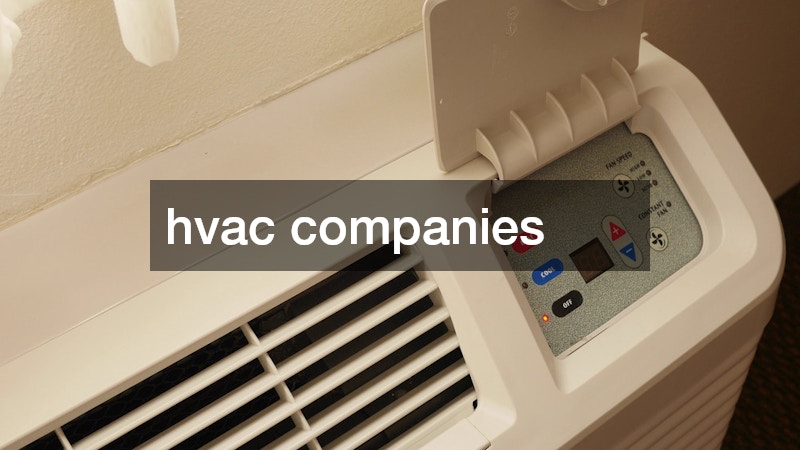
Heating and cooling systems work harder than almost any other component in your home, especially as temperature swings become more extreme. Reliable HVAC companies can help you select a system sized correctly for your square footage and climate zone, since an undersized or oversized unit wastes energy and wears out faster. Ask for a Manual J load calculation rather than a rough estimate based on square footage alone, since factors like insulation levels, window placement, and ceiling height all affect the right sizing.
A properly matched system also does a better job managing humidity, which affects both comfort and indoor air quality. Indoor humidity between 30% and 50% helps prevent mold growth, wood warping, and that clammy feeling during summer months. High-efficiency units with variable-speed compressors run longer at lower capacity, which removes more moisture from the air than older single-stage systems that cycle on and off.
Zoning systems are also worth considering if your home has rooms with very different heating and cooling needs, such as a sun-drenched second floor or a chronically cold basement. Pairing zoned ductwork with a smart thermostat lets you fine-tune comfort room by room while avoiding the energy waste of conditioning empty spaces.
Routine maintenance, like filter changes and duct inspections, keeps these systems running efficiently and prevents small issues from becoming expensive breakdowns. Most HVAC manufacturers recommend swapping filters every 60 to 90 days, though homes with pets or allergy sufferers may need monthly changes to maintain airflow and air quality.
Many homeowners do not realize that neglected ductwork can leak conditioned air into attics or crawlspaces, driving up utility costs unnecessarily. Studies suggest that leaky ducts can waste 20 to 30 percent of the air moving through a system, meaning a household could be paying to heat or cool space it never actually occupies. Sealing joints with mastic and insulating exposed ducts in unconditioned areas are simple fixes that pay for themselves within a few seasons.
Scheduling seasonal tune-ups before extreme weather hits is one of the smartest ways to protect this investment. A qualified technician can check refrigerant levels, test thermostat calibration, and clear condensate lines before summer humidity or winter freezes push the system to its limits. Catching a failing capacitor or a clogged coil early often costs a fraction of an emergency repair during a heatwave or deep freeze.
- Replace air filters every one to three months depending on usage — more often if you have pets, allergies, or run the system continuously
- Schedule professional tune-ups before peak summer and winter seasons to catch worn parts, refrigerant leaks, or efficiency issues before they cause a breakdown
- Seal and insulate ductwork to prevent energy loss; even small leaks can waste 20-30% of conditioned air before it reaches your rooms
- Consider a programmable or smart thermostat for better efficiency, with features like geofencing or learning schedules that can cut heating and cooling costs by 10% or more
- Inspect and clean vents and returns regularly so furniture or clutter isn’t blocking airflow
- Check insulation levels in attics and crawl spaces, since heat loss through these areas often forces HVAC systems to work harder than necessary
Backup Power for When the Grid Fails
Extended power outages are becoming more common as storms grow more severe, leaving many households without heat, refrigeration, or basic conveniences for days at a time. Generator installations offer a practical solution, providing automatic backup power that kicks in within seconds of an outage. This is especially important for homes with medical equipment, well pumps, or sump pumps that require continuous power to function safely.
Choosing the right generator size depends on how many circuits or appliances you want covered, ranging from essential-only setups to whole-home coverage. Proper installation also requires attention to local permitting, fuel type, and safe placement away from windows and doors. Working with a qualified professional ensures the system meets safety codes and functions reliably when you need it most.
- Determine whether you need whole-home or partial backup coverage
- Choose between natural gas, propane, or diesel-powered units
- Test your generator monthly to confirm it starts properly
- Keep maintenance records to preserve warranty coverage
Kitchen Durability and Everyday Function
The kitchen sees more daily wear than almost any other room, from humidity and heat near the stove to constant opening and closing of storage. Choosing materials that hold up over time makes a real difference in both appearance and function, and many homeowners turn to local kitchen cabinet services to find options built for durability rather than just style. Moisture-resistant finishes and solid construction help cabinets resist warping, swelling, and hardware failure.
Beyond materials, thoughtful layout and ventilation reduce long-term wear from heat and steam exposure. A well-ventilated kitchen also protects surrounding surfaces and finishes from premature damage. Small upgrades, like soft-close hinges or moisture-sealed shelving, add years to a kitchen’s usable life.
- Choose moisture-resistant cabinet materials for humid climates
- Ensure proper ventilation above cooktops and ovens
- Inspect hinges and hardware annually for wear
- Consider finishes that resist heat discoloration over time
Garage Doors and Curb-Facing Protection
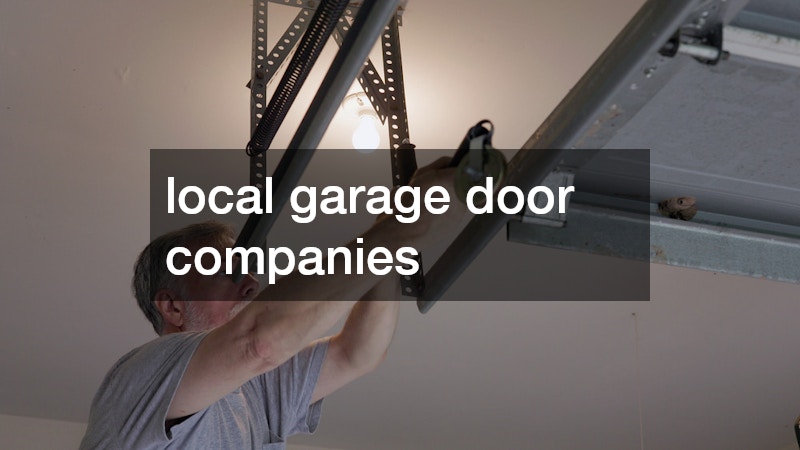
Garage doors face constant exposure to wind, temperature swings, and physical impact, making them one of the more vulnerable entry points on a home. Reliable local garage door services can help homeowners choose insulated, wind-rated doors that hold up in severe weather while also improving energy efficiency. A poorly sealed or aging door can let in drafts, pests, and moisture that affect the rest of the attached structure.
Regular maintenance, including lubricating tracks and checking balance, prevents sudden failures that leave a home exposed. This is particularly important in areas prone to high winds, where an improperly rated door can become a serious safety hazard during storms. Investing in a quality door and keeping it well maintained protects both your home and your vehicles.
- Choose wind-rated doors in storm-prone regions
- Add insulation to reduce energy loss through the garage
- Lubricate rollers and tracks twice a year
- Check weatherstripping along the bottom seal regularly
Outdoor Features That Add Beauty Without Adding Risk
Outdoor living spaces enhance a home’s appeal, but features like water elements require ongoing care to stay both beautiful and structurally sound. Fountain restoration is often necessary when older stone or concrete features develop cracks, leaks, or pump failures after years of freeze-thaw cycles. Left unaddressed, these issues can lead to water damage on nearby patios, walkways, or foundations.
Choosing weather-resistant materials and proper drainage during installation reduces the need for major repairs down the line. Seasonal draining and winterizing of water features also prevents freeze damage in colder climates. Treating outdoor elements with the same attention given to indoor systems helps preserve both function and curb appeal.
- Drain and winterize outdoor water features before freezing temperatures
- Inspect pumps and seals annually for wear
- Use freeze-resistant materials in colder climates
- Address small cracks before they widen into structural damage
Ongoing Maintenance and Seasonal Upkeep
Even the most resilient home needs consistent maintenance to perform well over decades. Building a simple seasonal checklist helps homeowners stay ahead of small issues before they escalate into major repairs. Partnering with trusted HVAC contractors for annual system checks is one of the easiest ways to catch efficiency losses or component wear early.
Keeping records of inspections, repairs, and upgrades also helps when it comes time to sell the home, since documented maintenance history reassures buyers of the property’s condition. A proactive approach costs far less than reactive emergency repairs, both financially and in terms of stress. Treating home maintenance as an ongoing process rather than a one-time task is the foundation of long-term resilience.
- Create a seasonal maintenance checklist covering roof, HVAC, and exterior features
- Keep a folder of service records and warranties
- Schedule inspections before extreme weather seasons begin
- Budget annually for minor repairs to avoid larger expenses later
Building a home that stands up to changing weather and the test of time comes down to thoughtful choices at every stage, from the ground up to the systems that keep it running smoothly. Small investments in quality materials, proper installation, and regular maintenance add up to significant savings and peace of mind over the years. Start by identifying which areas of your home need the most attention today, then work through the rest as budget allows. Taking this proactive, informed approach ensures your home remains safe, comfortable, and valuable for decades to come.