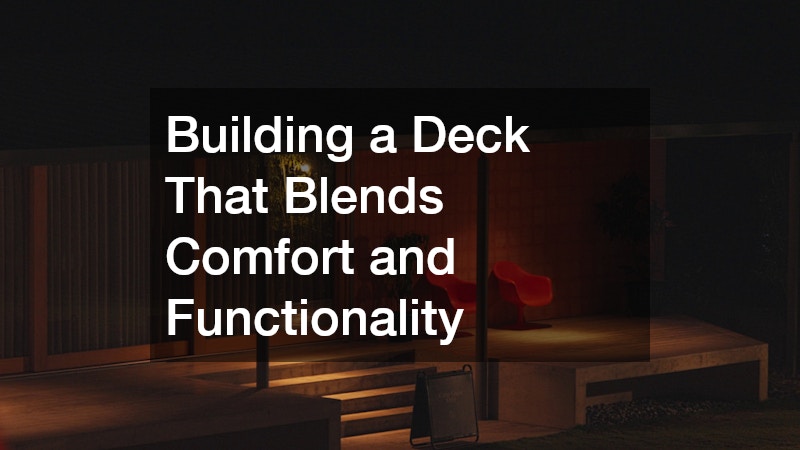
Building a Deck That Blends Comfort and Functionality

Designing a Deck Space That Truly Works for You

A well-designed deck can completely transform how you use your outdoor space. Instead of simply being an add-on to your home, it becomes a central gathering place—somewhere you can relax after a long day, entertain guests, or enjoy time with family. The key to achieving this is not just building a deck that looks good, but one that functions smoothly in your daily life.

Many homeowners focus heavily on appearance at first, choosing materials or layouts based on trends. While visual appeal matters, it’s just as important to think about how the space will be used over time. A deck that is difficult to maintain, lacks shade, or feels cramped can quickly become underutilized. On the other hand, a well-planned deck can improve comfort, increase property value, and make your outdoor space far more enjoyable year-round.

Creating a deck that blends comfort and functionality requires thoughtful planning at every stage. From defining how the space will be used to choosing the right materials and features, each decision builds toward a more usable and cohesive design. By approaching the project step by step, you can create a deck that not only enhances your home’s appearance but also supports your lifestyle in a practical and lasting way.

Define How You Want to Use Your Deck

Before you begin designing or building, it’s essential to clearly define how you want to use your deck. This step often gets overlooked, but it sets the foundation for every decision that follows. Without a clear purpose, it’s easy to end up with a space that looks nice but doesn’t function well for your needs.

Start by thinking about your daily routines and how outdoor space fits into them. Do you want a quiet place to relax, a space for outdoor dining, or an area for hosting gatherings? Your priorities will determine the size, layout, and features your deck should include. For example, a deck intended for entertaining may require more seating and open space, while a relaxation-focused design might emphasize privacy and comfort.

It’s also important to consider how many people will typically use the space. A deck designed for two people will look very different from one meant for larger groups. Planning for realistic usage helps ensure the space feels comfortable rather than overcrowded.

Accessibility is another key factor. Think about how easily you can move between your home and the deck, as well as how the deck connects to the rest of your yard. A smooth transition between indoor and outdoor spaces can make the deck feel like a natural extension of your home.

Taking the time to define your goals early will help guide the entire design process and prevent costly adjustments later on.

Choose the Right Layout and Deck Size

Once you’ve defined how you want to use your deck, the next step is determining the right size and layout. These decisions have a direct impact on both comfort and functionality. A deck that is too small can feel cramped and limit how it’s used, while one that is too large may feel empty or require unnecessary maintenance.

Begin by evaluating the available space in your yard. Consider the dimensions of your home, the surrounding landscape, and any existing features that need to be incorporated. Your deck should feel proportional to the rest of your property rather than overwhelming or disconnected.

Think about dividing the deck into zones based on function. For example, you might create separate areas for dining, lounging, and cooking. This approach helps organize the space and makes it easier to use multiple features at once without feeling cluttered.

Multi-level decks can be a great option if your yard has uneven terrain or if you want to create distinct areas with different purposes. These designs add visual interest while improving usability.

Don’t forget to leave enough space for movement. Walkways and open areas are essential for maintaining flow and preventing the deck from feeling overcrowded. By carefully planning the layout, you can create a space that feels both spacious and practical.

Work With the Right Professionals for Better Results

Building a deck involves more than just assembling materials—it requires careful planning, structural knowledge, and attention to detail. While some homeowners may choose to take a do-it-yourself approach, working with experienced professionals can significantly improve the outcome.

A skilled deck builder can ensure that your structure is safe, durable, and compliant with local building codes. They bring expertise in framing, spacing, and material selection, which helps prevent costly mistakes. In addition, they can often complete the project more efficiently than a DIY approach, saving time and reducing stress.

If your deck is part of a larger outdoor design, collaborating with a hardscape contractor can be especially beneficial. These professionals specialize in integrating structures like decks with other outdoor elements, creating a cohesive and functional environment. They can help align your deck with pathways, retaining walls, and surrounding features for a more unified look.

When selecting professionals, it’s important to review their previous work, ask for references, and get multiple quotes. Clear communication about your goals and budget will also help ensure that the final result meets your expectations.

Investing in the right team can make a significant difference in both the quality and longevity of your deck.

Select Durable Materials That Match Your Style

Choosing the right materials is one of the most important decisions in the deck-building process. The materials you select will influence not only the appearance of your deck but also its durability, maintenance requirements, and overall lifespan.

One of the first steps is sourcing quality materials from a reliable local lumber supply. Doing so ensures that you’re getting products suited to your climate and available when you need them. Local suppliers can also offer guidance on which materials perform best in your area.

There are many construction materials to choose from, including natural wood, composite decking, and PVC options. Each has its advantages. Wood offers a classic, natural look but requires regular maintenance. Composite materials are more durable and low-maintenance but may have a higher upfront cost. PVC options provide excellent resistance to moisture and wear but may not have the same aesthetic appeal as wood.

When selecting materials, consider how your deck will be used and how much time you’re willing to dedicate to upkeep. It’s also important to think about how the materials will complement your home’s exterior and surrounding landscape.

Balancing style, durability, and maintenance will help you create a deck that looks great and performs well over time.

Add Shade and Weather Protection for Comfort

Comfort is a key factor in how often you’ll use your deck, and one of the biggest influences on comfort is protection from the elements. Without adequate shade or shelter, your deck may become too hot in the summer or unusable during light rain.

There are several ways to add shade, depending on your needs and preferences. Working with an awning company can provide customized solutions that fit your deck’s size and layout. Awnings can be fixed or retractable, allowing you to adjust coverage as needed.

Another popular option is installing motorized pergolas. These structures offer flexibility and control, allowing you to adjust the amount of sunlight or shade with the push of a button. This makes it easier to use your deck throughout the day and in varying weather conditions.

When planning shade features, consider the direction of the sun and how it moves across your yard. Positioning shade structures strategically can maximize their effectiveness.

Adding weather protection not only improves comfort but also extends the usability of your deck, making it a more valuable part of your home.

Improve Privacy and Protection From the Elements

Privacy and protection are important considerations when designing a deck, especially if your home is located near neighbors or busy areas. Creating a sense of enclosure can make your outdoor space feel more comfortable and relaxing.

One effective solution is installing a patio screen enclosure. This feature helps keep insects out while still allowing fresh air to circulate. It also provides a level of privacy without completely closing off the space.

In addition to enclosures, you can use railings, lattice panels, or strategically placed plants to create natural barriers. These elements can enhance privacy while maintaining an open and inviting feel.

Wind protection is another factor to consider. Adding partial walls or screens can help reduce the impact of strong winds, making your deck more comfortable in different weather conditions.

By addressing privacy and protection early in the design process, you can create a space that feels secure, comfortable, and enjoyable throughout the year.

Connect Your Deck to the Rest of the Yard
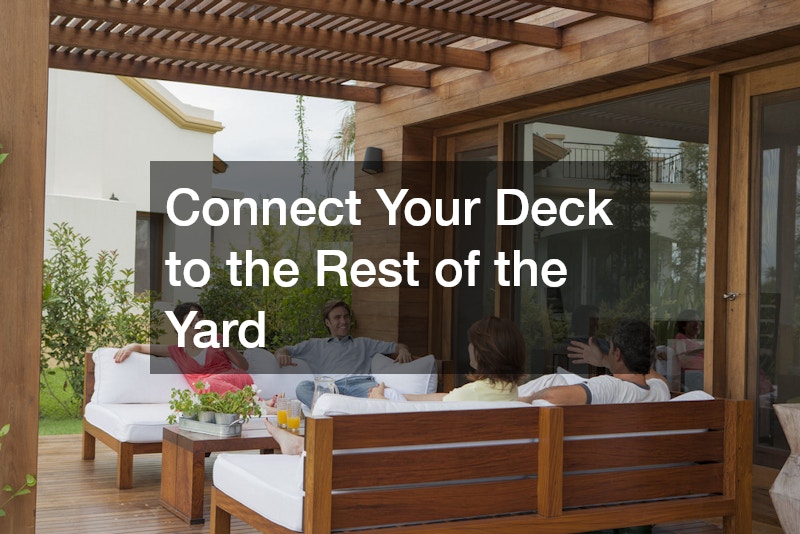
A deck should not feel like a separate or isolated feature—it should connect seamlessly with the rest of your outdoor space. Creating this connection improves both functionality and visual appeal.

One way to achieve this is by linking your deck to nearby patios. This creates a natural transition between different areas and allows for more flexible use of your yard. For example, a patio can serve as an additional seating or dining area that complements the deck.

Incorporating hardscaping elements such as walkways, steps, and retaining walls can further enhance the connection. These features help guide movement through the yard and create a cohesive design that ties everything together.

Using consistent materials or color schemes can also help unify the space. When your deck and surrounding features share similar design elements, the entire yard feels more intentional and well-planned.

By focusing on integration, you can create an outdoor environment that feels complete and easy to navigate.

Enhance Functionality With Built-In Features

Built-in features can significantly improve the usability of your deck while reducing clutter. Instead of relying solely on movable furniture, consider incorporating elements directly into the design.

Built-in seating is a popular option that provides ample space for guests without taking up extra room. Storage benches can serve multiple purposes, offering both seating and a place to store outdoor items.

Lighting is another important feature to consider. Installing built-in lighting along railings, steps, or seating areas can improve safety and create a more inviting atmosphere in the evening. Soft, well-placed lighting can make your deck feel warm and welcoming.

You may also want to include electrical outlets for added convenience. This allows you to power outdoor appliances, lighting, or entertainment systems without running extension cords.

By integrating these features into your design, you can create a deck that is both practical and visually appealing.

Plan for Long-Term Maintenance and Durability

A well-built deck is an investment, and maintaining it properly is essential for preserving its value and functionality. Regular maintenance helps prevent damage, extend the lifespan of materials, and keep the space looking its best.

Working with a hardscaping company can provide ongoing support for maintenance and repairs. These professionals can help identify potential issues early and recommend solutions before they become costly problems.

Routine tasks such as cleaning, sealing, and inspecting your deck should be part of your maintenance plan. Keeping the surface free of debris and addressing minor damage promptly can prevent more serious issues over time.

It’s also important to ensure proper drainage. Water buildup can lead to rot, mold, and structural damage if not managed effectively. Designing your deck with drainage in mind can help avoid these problems.

By staying proactive with maintenance, you can enjoy your deck for many years while protecting your investment.

Add Finishing Touches That Elevate the Space
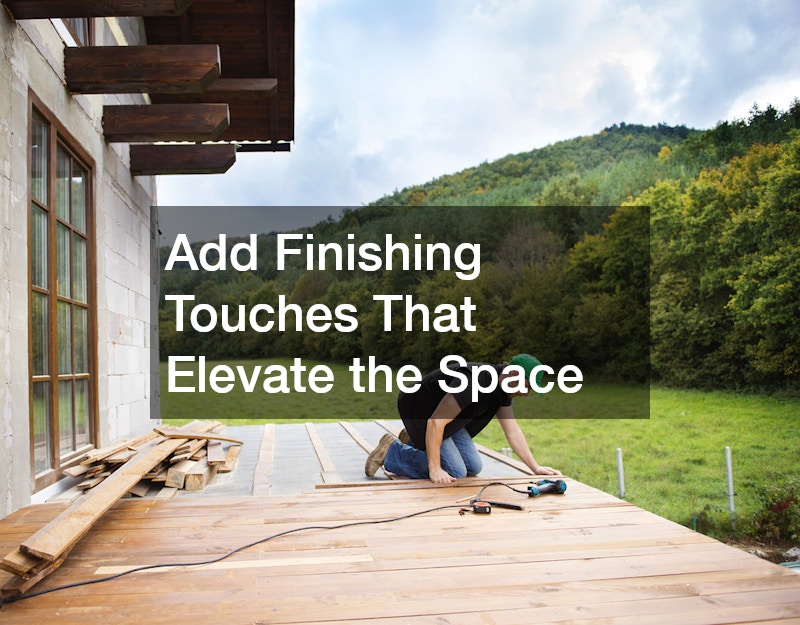
Once the main structure of your deck is complete, adding finishing touches can bring the entire space together. These details help create a cohesive and inviting environment that reflects your personal style.

Consider incorporating outdoor rugs, cushions, and decorative accents to enhance comfort and visual appeal. Planters and greenery can add color and soften the overall look of the space.

Keeping the design simple and uncluttered is key. Too many decorations can make the deck feel crowded and reduce its functionality. Instead, focus on a few well-chosen elements that complement the overall design.

Pay attention to high-visibility areas, such as entry points and seating zones. These areas have the greatest impact on how your deck is perceived.

With thoughtful finishing touches, you can transform your deck into a polished and welcoming outdoor space.

Bringing Comfort and Function Together Outdoors

Building a deck that blends comfort and functionality is about more than just construction—it’s about creating a space that enhances your everyday life. By planning carefully, choosing the right materials, and incorporating features that support your needs, you can design a deck that feels both practical and inviting.

The process may take time, but each step contributes to a more enjoyable and usable outdoor environment. With the right approach, your deck can become one of the most valuable and well-loved areas of your home.

Designing a Deck Space That Truly Works for You

A well-designed deck can completely transform how you use your outdoor space. Instead of simply being an add-on to your home, it becomes a central gathering place—somewhere you can relax after a long day, entertain guests, or enjoy time with family. The key to achieving this is not just building a deck that looks good, but one that functions smoothly in your daily life.

Many homeowners focus heavily on appearance at first, choosing materials or layouts based on trends. While visual appeal matters, it’s just as important to think about how the space will be used over time. A deck that is difficult to maintain, lacks shade, or feels cramped can quickly become underutilized. On the other hand, a well-planned deck can improve comfort, increase property value, and make your outdoor space far more enjoyable year-round.

Creating a deck that blends comfort and functionality requires thoughtful planning at every stage. From defining how the space will be used to choosing the right materials and features, each decision builds toward a more usable and cohesive design. By approaching the project step by step, you can create a deck that not only enhances your home’s appearance but also supports your lifestyle in a practical and lasting way.

Define How You Want to Use Your Deck

Before you begin designing or building, it’s essential to clearly define how you want to use your deck. This step often gets overlooked, but it sets the foundation for every decision that follows. Without a clear purpose, it’s easy to end up with a space that looks nice but doesn’t function well for your needs.

Start by thinking about your daily routines and how outdoor space fits into them. Do you want a quiet place to relax, a space for outdoor dining, or an area for hosting gatherings? Your priorities will determine the size, layout, and features your deck should include. For example, a deck intended for entertaining may require more seating and open space, while a relaxation-focused design might emphasize privacy and comfort.

It’s also important to consider how many people will typically use the space. A deck designed for two people will look very different from one meant for larger groups. Planning for realistic usage helps ensure the space feels comfortable rather than overcrowded.

Accessibility is another key factor. Think about how easily you can move between your home and the deck, as well as how the deck connects to the rest of your yard. A smooth transition between indoor and outdoor spaces can make the deck feel like a natural extension of your home.

Taking the time to define your goals early will help guide the entire design process and prevent costly adjustments later on.

Choose the Right Layout and Deck Size

Once you’ve defined how you want to use your deck, the next step is determining the right size and layout. These decisions have a direct impact on both comfort and functionality. A deck that is too small can feel cramped and limit how it’s used, while one that is too large may feel empty or require unnecessary maintenance.

Begin by evaluating the available space in your yard. Consider the dimensions of your home, the surrounding landscape, and any existing features that need to be incorporated. Your deck should feel proportional to the rest of your property rather than overwhelming or disconnected.

Think about dividing the deck into zones based on function. For example, you might create separate areas for dining, lounging, and cooking. This approach helps organize the space and makes it easier to use multiple features at once without feeling cluttered.

Multi-level decks can be a great option if your yard has uneven terrain or if you want to create distinct areas with different purposes. These designs add visual interest while improving usability.

Don’t forget to leave enough space for movement. Walkways and open areas are essential for maintaining flow and preventing the deck from feeling overcrowded. By carefully planning the layout, you can create a space that feels both spacious and practical.

Work With the Right Professionals for Better Results

Building a deck involves more than just assembling materials—it requires careful planning, structural knowledge, and attention to detail. While some homeowners may choose to take a do-it-yourself approach, working with experienced professionals can significantly improve the outcome.

A skilled deck builder can ensure that your structure is safe, durable, and compliant with local building codes. They bring expertise in framing, spacing, and material selection, which helps prevent costly mistakes. In addition, they can often complete the project more efficiently than a DIY approach, saving time and reducing stress.

If your deck is part of a larger outdoor design, collaborating with a hardscape contractor can be especially beneficial. These professionals specialize in integrating structures like decks with other outdoor elements, creating a cohesive and functional environment. They can help align your deck with pathways, retaining walls, and surrounding features for a more unified look.

When selecting professionals, it’s important to review their previous work, ask for references, and get multiple quotes. Clear communication about your goals and budget will also help ensure that the final result meets your expectations.

Investing in the right team can make a significant difference in both the quality and longevity of your deck.

Select Durable Materials That Match Your Style

Choosing the right materials is one of the most important decisions in the deck-building process. The materials you select will influence not only the appearance of your deck but also its durability, maintenance requirements, and overall lifespan.

One of the first steps is sourcing quality materials from a reliable local lumber supply. Doing so ensures that you’re getting products suited to your climate and available when you need them. Local suppliers can also offer guidance on which materials perform best in your area.

There are many construction materials to choose from, including natural wood, composite decking, and PVC options. Each has its advantages. Wood offers a classic, natural look but requires regular maintenance. Composite materials are more durable and low-maintenance but may have a higher upfront cost. PVC options provide excellent resistance to moisture and wear but may not have the same aesthetic appeal as wood.

When selecting materials, consider how your deck will be used and how much time you’re willing to dedicate to upkeep. It’s also important to think about how the materials will complement your home’s exterior and surrounding landscape.

Balancing style, durability, and maintenance will help you create a deck that looks great and performs well over time.

Add Shade and Weather Protection for Comfort

Comfort is a key factor in how often you’ll use your deck, and one of the biggest influences on comfort is protection from the elements. Without adequate shade or shelter, your deck may become too hot in the summer or unusable during light rain.

There are several ways to add shade, depending on your needs and preferences. Working with an awning company can provide customized solutions that fit your deck’s size and layout. Awnings can be fixed or retractable, allowing you to adjust coverage as needed.

Another popular option is installing motorized pergolas. These structures offer flexibility and control, allowing you to adjust the amount of sunlight or shade with the push of a button. This makes it easier to use your deck throughout the day and in varying weather conditions.

When planning shade features, consider the direction of the sun and how it moves across your yard. Positioning shade structures strategically can maximize their effectiveness.

Adding weather protection not only improves comfort but also extends the usability of your deck, making it a more valuable part of your home.

Improve Privacy and Protection From the Elements

Privacy and protection are important considerations when designing a deck, especially if your home is located near neighbors or busy areas. Creating a sense of enclosure can make your outdoor space feel more comfortable and relaxing.

One effective solution is installing a patio screen enclosure. This feature helps keep insects out while still allowing fresh air to circulate. It also provides a level of privacy without completely closing off the space.

In addition to enclosures, you can use railings, lattice panels, or strategically placed plants to create natural barriers. These elements can enhance privacy while maintaining an open and inviting feel.

Wind protection is another factor to consider. Adding partial walls or screens can help reduce the impact of strong winds, making your deck more comfortable in different weather conditions.

By addressing privacy and protection early in the design process, you can create a space that feels secure, comfortable, and enjoyable throughout the year.

Connect Your Deck to the Rest of the Yard

A deck should not feel like a separate or isolated feature—it should connect seamlessly with the rest of your outdoor space. Creating this connection improves both functionality and visual appeal.

One way to achieve this is by linking your deck to nearby patios. This creates a natural transition between different areas and allows for more flexible use of your yard. For example, a patio can serve as an additional seating or dining area that complements the deck.

Incorporating hardscaping elements such as walkways, steps, and retaining walls can further enhance the connection. These features help guide movement through the yard and create a cohesive design that ties everything together.

Using consistent materials or color schemes can also help unify the space. When your deck and surrounding features share similar design elements, the entire yard feels more intentional and well-planned.

By focusing on integration, you can create an outdoor environment that feels complete and easy to navigate.

Enhance Functionality With Built-In Features

Built-in features can significantly improve the usability of your deck while reducing clutter. Instead of relying solely on movable furniture, consider incorporating elements directly into the design.

Built-in seating is a popular option that provides ample space for guests without taking up extra room. Storage benches can serve multiple purposes, offering both seating and a place to store outdoor items.

Lighting is another important feature to consider. Installing built-in lighting along railings, steps, or seating areas can improve safety and create a more inviting atmosphere in the evening. Soft, well-placed lighting can make your deck feel warm and welcoming.

You may also want to include electrical outlets for added convenience. This allows you to power outdoor appliances, lighting, or entertainment systems without running extension cords.

By integrating these features into your design, you can create a deck that is both practical and visually appealing.

Plan for Long-Term Maintenance and Durability

A well-built deck is an investment, and maintaining it properly is essential for preserving its value and functionality. Regular maintenance helps prevent damage, extend the lifespan of materials, and keep the space looking its best.

Working with a hardscaping company can provide ongoing support for maintenance and repairs. These professionals can help identify potential issues early and recommend solutions before they become costly problems.

Routine tasks such as cleaning, sealing, and inspecting your deck should be part of your maintenance plan. Keeping the surface free of debris and addressing minor damage promptly can prevent more serious issues over time.

It’s also important to ensure proper drainage. Water buildup can lead to rot, mold, and structural damage if not managed effectively. Designing your deck with drainage in mind can help avoid these problems.

By staying proactive with maintenance, you can enjoy your deck for many years while protecting your investment.

Add Finishing Touches That Elevate the Space

Once the main structure of your deck is complete, adding finishing touches can bring the entire space together. These details help create a cohesive and inviting environment that reflects your personal style.

Consider incorporating outdoor rugs, cushions, and decorative accents to enhance comfort and visual appeal. Planters and greenery can add color and soften the overall look of the space.

Keeping the design simple and uncluttered is key. Too many decorations can make the deck feel crowded and reduce its functionality. Instead, focus on a few well-chosen elements that complement the overall design.

Pay attention to high-visibility areas, such as entry points and seating zones. These areas have the greatest impact on how your deck is perceived.

With thoughtful finishing touches, you can transform your deck into a polished and welcoming outdoor space.

Bringing Comfort and Function Together Outdoors

Building a deck that blends comfort and functionality is about more than just construction—it’s about creating a space that enhances your everyday life. By planning carefully, choosing the right materials, and incorporating features that support your needs, you can design a deck that feels both practical and inviting.

The process may take time, but each step contributes to a more enjoyable and usable outdoor environment. With the right approach, your deck can become one of the most valuable and well-loved areas of your home.

Define How You Want to Use Your Deck

Select Durable Materials That Match Your Style

Connect Your Deck to the Rest of the Yard

Add Finishing Touches That Elevate the Space