How to Determine the Best Insulation Material for Your Home?
Understanding Different Types of Insulation Materials
Insulation materials come in various forms such as fiberglass, foam, and cellulose, each with its own set of advantages and disadvantages. Fiberglass is popular for its cost-effectiveness and ease of installation, making it ideal for large coverage areas.
Foam insulation, although pricier, provides superior air sealing properties, helping prevent drafts and moisture intrusion. Cellulose, made from recycled paper products, is an eco-friendly option that delivers excellent thermal performance, especially in enclosed cavities.
Homeowners need to consider the unique needs of different parts of their home when selecting insulation material. For instance, attics might benefit from loose-fill fiberglass due to its light weight, while walls could use spray foam for enhanced coverage.
Factors Affecting Insulation Material Choice
The choice of insulation material is often influenced by environmental considerations, such as the climate of the area where the home is located. In colder regions, materials with higher R-values, like spray foam, may be more advantageous.
Budget is another crucial factor, as it determines the feasibility of more expensive options that can offer long-term savings. Understanding the balance between upfront costs and potential energy savings is vital for wise decision-making.
In terms of effectiveness, homeowners must assess how well different materials can perform their insulating duties. This involves studying thermal resistance, ease of installation, and suitability for different sections of the house.
What Should You Look for in an Insulation Service Provider?
Evaluating Service Provider Credentials
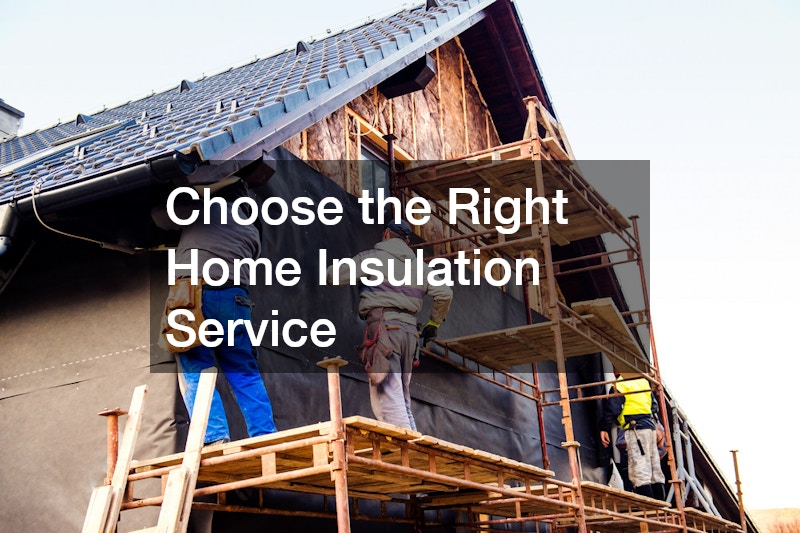
When searching for insulation services, it’s crucial to verify the credentials of prospective providers. Checking for licenses, certifications, and accreditation from recognized industry bodies can ensure professionalism and quality.
Experience should also be a major consideration, as seasoned providers are more likely to deliver reliable installation services. Companies with a long history in insulation are better equipped to handle unexpected challenges and provide tailored solutions.
Reputation, often reflected in the service provider’s portfolio and client testimonials, is another metric of trustworthiness. Past performance acts as an indicator of what future clients can expect in terms of service quality and customer satisfaction.
Assessing Quality of Service and Customer Reviews
Quality of service should be evidenced through comprehensive customer reviews and ratings. Reading through client feedback can reveal insights into the provider’s commitment to punctuality, professionalism, and after-service support.
Case studies and documented past projects offer concrete examples of a provider’s capabilities and scope. Such documents help in understanding the types of insulation projects they are most familiar with and their problem-solving skills.
After-service support, including warranties and follow-up services, is crucial for long-term customer satisfaction. These aspects ensure that clients can address potential issues after installation without incurring additional costs.
How Can Insulation Impact Energy Efficiency and Costs?
Effects of Insulation on Energy Bills
High-quality insulation significantly reduces the need for excessive heating and cooling, thereby cutting down on energy bills. Properly insulated homes maintain a stable indoor temperature, minimizing the workload on HVAC systems.
Insulation effectiveness is manifested through consistent comfort levels across seasons, without spikes in energy consumption. By preventing heat loss in winter and heat gain in summer, insulation supports sustainable energy use.
The energy savings realized through efficient insulation not only benefit the homeowner financially but also enhance overall grid sustainability. Lower energy usage translates to reduced greenhouse gas emissions, which contribute to environmental conservation.
Calculating the Return on Investment for Insulation
Evaluating the return on investment (ROI) of insulation projects involves comparing the initial costs against long-term savings on energy bills. Many homeowners find that the savings accrued over time justify the initial expenditure.
Alongside energy savings, effective insulation can boost property value by improving the home’s energy efficiency rating. Homes with better insulation are often more attractive in the real estate market, leading to higher resale value.
Financial incentives, such as tax credits and rebates for energy-efficient home improvements, can further enhance the ROI of insulation projects. These incentives help to mitigate the upfront costs, making the investment more palatable for homeowners.
By addressing these aspects, homeowners can make informed decisions to improve their home’s comfort and energy performance. The result is a more sustainable and economically viable living space that meets modern energy demands.