Building, renovating, and maintaining a residential property is a lifelong journey that requires foresight, planning, and continuous investment. Whether you are laying the foundational elements of a fresh property or maintaining the structural integrity of a decades-old dwelling, managing a home effectively demands a systematic approach. Every physical structure requires ongoing care across multiple operational layers, ranging from early regulatory checks and structural planning to aesthetic interior finishes and outdoor land management. Understanding how these distinct phases interlock helps property owners protect their financial investments while maximizing overall safety, comfort, and day-to-day usability.
Navigating the lifecycle of a home involves collaborating with diverse trade specialists, evaluating physical conditions, and making informed decisions about upgrades and repairs. By establishing a clear management roadmap, homeowners can seamlessly transition from early construction or purchasing steps to active long-term stewardship. This comprehensive guide breaks down ten pivotal phases of residential property management, detailing practical insights, key operational milestones, and strategic maintenance practices. Adopting a structured property care model ensures that your living space remains structurally resilient, visually compelling, energy-efficient, and financially rewarding through every stage of ownership.
1. Establishing Structural Safety and Regulatory Audits
Before undertaking any major structural additions or finalizing property acquisitions, evaluating the core structural components and mechanical systems of a building is mandatory. Hidden defects within foundations, framing assemblies, roof structures, or plumbing infrastructure can lead to catastrophic financial losses if left unaddressed. Systematic evaluation processes ensure that any underlying safety hazards, code violations, or deferred maintenance items are documented clearly before significant capital is committed.
Engaging certified home inspection companies provides an essential, objective diagnostic check of a property’s condition from ground level to roofline. These specialized evaluators conduct thorough non-invasive physical examinations of electrical panels, structural footings, ventilation systems, and plumbing lines, providing detailed analytical reports. Having this comprehensive baseline evaluation allows property owners to plan immediate repairs, negotiate purchase terms effectively, and establish a clear timeline for long-term property preservation.
-
Comprehensive System Evaluation: Assessing heating, ventilation, air conditioning, plumbing, and electrical installations for code compliance and operational performance.
-
Structural Integrity Inspections: Checking load-bearing walls, foundations, joists, and roof trusses for signs of settlement, rot, or stress fractures.
-
Environmental Safety Checks: Checking for moisture intrusion, subterranean pests, toxic mold, or outdated building materials like lead and asbestos.
-
Strategic Maintenance Planning: Using detailed diagnostic reports to prioritize immediate safety fixes versus secondary cosmetic improvements over time.
2. Planning Ground-Up Residential Construction Projects
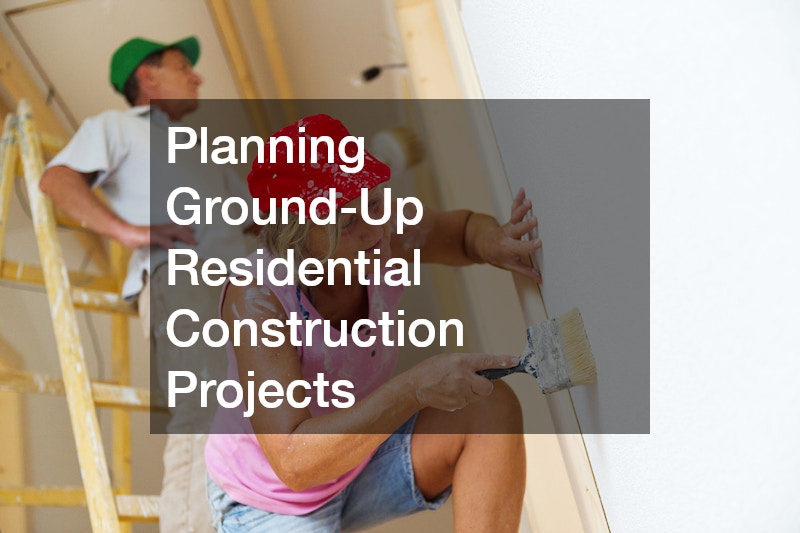
Starting a residential construction project from an empty parcel of land represents one of the most rewarding ways to achieve a fully personalized living environment. From early site excavation and concrete footings to framing, rough-in mechanics, and interior finishing, constructing a residential building requires seamless coordination between architectural designers, civil engineers, and local building authorities. Every phase of construction must adhere strictly to zoning laws, land use restrictions, and modern structural codes.
Partnering with experienced home builders ensures that the entire construction workflow runs smoothly, safely, and within established budget parameters. These licensed construction managers lead site preparation, coordinate specialized trade crews, manage material logistics, and secure necessary municipal permits throughout the build process. Their leadership guarantees that structural systems are executed with precision, enabling the home to deliver reliable structural performance and environmental efficiency for decades to come.
-
Site Surveying and Excavation: Evaluating soil composition, drainage capacity, and property topography prior to pouring concrete footings.
-
Architectural Blueprint Integration: Translating custom design layouts, engineering specifications, and structural requirements into clear field directions.
-
Framing and Building Envelope: Erecting load-bearing walls, roof trusses, and exterior sheathing to create a weatherproof structural shell.
-
Mechanical Rough-Ins: Routing main electrical conduits, supply and drain plumbing lines, and HVAC ductwork before closing interior drywall.
3. Realizing Custom Residential Design Architecture
Designing a custom residence from scratch gives property owners total control over their spatial layouts, energetic performance, material palettes, and architectural aesthetics. Rather than adapting to predefined floor plans created by generic production developers, custom residential planning ensures that every square foot is optimized for the specific lifestyle, work requirements, and family dynamics of the owners.
Executing a custom new home build requires striking a delicate balance between visual aesthetics, structural engineering, and long-term cost management. Working alongside specialized design-build professionals enables homeowners to incorporate advanced building science techniques, such as continuous exterior insulation, high-efficiency mechanical units, and passive solar orientation. This meticulous level of planning produces an exceptional living environment that minimizes utility expenses while maximizing day-to-day comfort.
-
Tailored Floor Plan Configurations: Creating fluid, open-concept living zones, quiet private retreats, and flexible multi-use office spaces.
-
High-Performance Building Shells: Utilizing insulated concrete forms, high-R insulation, and high-performance window packages to control interior climates.
-
Custom Interior Millwork: Designing bespoke kitchen cabinetry, integrated shelving units, architectural trim, and custom staircases.
-
Smart Technology Integration: Pre-wiring structural frames for centralized home automation, security monitoring, and high-speed data networks.
4. Reimagining Living Areas Through Structural Renovation
As lifestyle patterns evolve, existing residential spaces can gradually become outdated, compartmentalized, or functionally inefficient. Interior renovations allow property owners to update their current living spaces without the financial and logistical disruptions associated with moving to a new neighborhood. Strategic interior layout adjustments can drastically improve natural light exposure, increase floor space utilization, and enhance spatial flow between main living areas.
Collaborating with specialized home remodelers helps transform dated floor plans into functional, modern living spaces aligned with contemporary tastes. These renovation specialists handle complex structural modifications—such as taking down load-bearing walls, expanding room footings, and re-routing main utilities—while maintaining structural safety and code compliance. Their expertise ensures that all interior updates integrate seamlessly with the existing architecture of the home.
-
Open-Concept Living Transformations: Reconfiguring interior walls to combine kitchen, dining, and main family zones into expansive shared areas.
-
Basement and Attic Conversions: Converting underutilized storage square footage into fully finished home theaters, guest suites, or private gyms.
-
Energy-Efficient Lighting Systems: Upgrading legacy illumination fixtures with energy-efficient LED configurations, accent coving, and smart switches.
-
Flooring and Finish Updates: Replacing worn carpet and laminate with durable hardwoods, natural stone, or modern luxury vinyl tile options.

5. Modernizing Interior Sanctuaries for Daily Comfort
Bathrooms are among the most heavily utilized areas in any home, demanding a careful balance between functional utility, moisture management, and aesthetic design. Over time, plumbing fixtures wear down, tile grout deteriorates, and older layouts become inconvenient for daily family use. Updating these damp environments eliminates hidden water leaks while transforming standard utility rooms into spa-inspired personal retreats.
Investing in comprehensive bathroom remodeling provides an excellent return on investment while dramatically elevating daily personal comfort. Replacing outdated vanities, installing curbless tile showers, and integrating modern water-saving fixtures significantly reduces domestic water usage while creating a clean, modern aesthetic. Proper installation techniques ensure that moisture barriers prevent hidden subfloor damage and maintain structural integrity long into the future.
-
Custom Tile Shower Enclosures: Installing frameless glass panels, curbless entrances, integrated storage niches, and multi-function shower heads.
-
Luxury Vanity and Storage Solutions: Adding double-sink vanities, quartz countertops, custom drawer organizers, and illuminated mirrors.
-
Advanced Subfloor Waterproofing: Applying continuous waterproof membranes under tile work to prevent long-term moisture damage and mold growth.
-
Radiant Floor Heating: Placing electric heating elements under ceramic or porcelain tile for comfortable floor temperatures during winter months.
6. Coordinating Specialist Trades for Wet-Area Renovations
Renovating spaces exposed to constant moisture and high water flow requires specialized trade knowledge to ensure watertight integrity, code compliance, and proper ventilation. Wet-area projects involve complex plumbing modifications, electrical safety grounding, precise tile setting, and custom cabinet installation, making specialized project management essential for success.
Hiring a dedicated bathroom remodeling company ensures that every technical aspect of wet-area construction is managed by trained specialists. These focused contractors handle complex tasks such as re-routing main drain lines, installing pressure-balanced shower valves, and configuring high-capacity exhaust systems to manage humidity. Their targeted trade knowledge prevents costly moisture damage while delivering high-end tile and fixture finishes.
-
Turnkey Wet-Area Planning: Managing every renovation phase from tear-out and rough plumbing to tile installation and fixture trim.
-
Ventilation and Humidity Control: Installing whisper-quiet, high-CFM exhaust fans to prevent condensation build-up and protect air quality.
-
Custom Plumbing Layouts: Re-routing water supply lines and drain stacks to support freestanding soaking tubs and double vanities.
-
Slip-Resistant Flooring Selection: Selecting textured porcelain or mosaic tiles that provide secure footing in wet environments.
7. Controlling Light Exposure and Interior Climate Control
Window treatments serve vital functional and aesthetic purposes within a home, acting as the primary barrier against solar heat gain, ultraviolet radiation, and exterior glare. Poorly dressed windows allow solar heat to strain air conditioning systems during summer months while exposing interior furnishings, artwork, and flooring to premature fading and discoloration.
Installing custom blinds provides precise control over incoming natural light, privacy levels, and indoor thermal comfort across all seasons. Modern window treatments range from natural wood horizontal louvers to insulating cellular honeycomb shades and motorized roller systems. Selecting tailored window treatments ensures an exact edge-to-edge fit inside window casings, improving overall energy efficiency and complementing your interior design style.
-
Precise Light Control: Adjusting louvers and vanes to redirect direct sunlight, reduce glare, and illuminate living areas evenly.
-
Thermal Energy Efficiency: Utilizing cellular honeycomb shades to trap air at window glass, reducing heating and cooling loss.
-
Furniture and Flooring Protection: Blocking harmful UV rays to prevent wood floors, carpets, and upholstered furniture from fading.
-
Automated Smart Shading: Programming motorized window coverings to open and close automatically based on time of day or sun position.

8. Managing Landscape Safety and Environmental Health
The exterior environment surrounding a house plays a critical role in preserving structural safety, curb appeal, and outdoor living enjoyment. Large trees provide shade, privacy, and natural beauty, but overgrown, diseased, or dying timber poses major hazards to rooflines, foundations, underground utilities, and power lines during heavy weather events.
Utilizing a professional tree service ensures that mature trees on your property are pruned, maintained, or safely removed when they present safety risks. Certified arborists use specialized rigging systems, elevated bucket trucks, and precise cutting methods to trim dangerous canopy branches, remove hazardous deadwood, and clear roots threatening concrete driveways. Regular tree maintenance keeps your landscape healthy while safeguarding your property from storm damage.
-
Hazardous Tree Management: Safely cutting down dead, dying, or leaning trees that threaten rooflines, garages, or utility wires.
-
Canopy Thinning and Pruning: Removing deadwood and thinning dense branches to improve airflow, sunlight penetration, and storm resistance.
-
Stump Grinding and Removal: Eliminating unsightly tree stumps deep below grade to clear usable land for new lawns or gardens.
-
Root Intrusion Prevention: Trimming aggressive root systems that buckle sidewalks, crack foundations, or invade sewer pipes.
9. Defining Exterior Boundaries and Enhancing Security
Establishing clear property lines with exterior fencing provides vital functional benefits, including family privacy, pet containment, noise reduction, and structural boundary security. A well-constructed fence acts as an architectural extension of the home, framing the landscape while shielding outdoor living zones from neighboring view and traffic noise.
Installing a high-quality wood fence offers a timeless, warm aesthetic that naturally blends with surrounding gardens and yard elements. Utilizing pressure-treated pine, cedar, or redwood ensures natural resistance against insect damage and weather decay. Whether configured in traditional vertical pickets, shadowbox layouts, or modern horizontal board designs, custom timber fencing creates a secure outdoor sanctuary for relaxation and recreation.
-
Perimeter Privacy Protection: Blocking direct sightlines from roads and neighboring lots to create private backyard living areas.
-
Child and Pet Containment: Constructing secure enclosure barriers that allow children and pets to play outdoors safely.
-
Custom Architectural Styles: Choosing between vertical pickets, board-on-board, shadowbox, or modern horizontal board styles.
-
Weather-Resistant Construction: Using pressure-treated posts, stainless steel fasteners, and protective exterior stains for long-term durability.
10. Evaluating Financial Worth and Property Equity
Understanding the precise financial value of your property is essential for effective wealth management, whether you plan to refinance an existing mortgage, apply for home equity financing, or list the property for sale. Real estate values change constantly based on economic conditions, neighborhood trends, physical upgrades, and recent sales of comparable properties.
Consulting certified home appraisers yields an objective, legally recognized valuation of your property’s fair market value. These licensed valuation professionals perform comprehensive physical property reviews, examine recent local sales data, and account for recent structural or aesthetic renovations. Having an accurate appraisal report gives you the official documentation required by banks, mortgage lenders, and municipal tax authorities.
-
Objective Asset Valuations: Receiving an unbiased valuation report recognized by mortgage companies and financial institutions.
-
Home Equity Determination: Calculating available equity before securing renovation loans, debt consolidation lines, or second mortgages.
-
Property Tax Appeals: Using official appraisal findings to contest inflated municipal property tax assessments with local authorities.
-
Real Estate Listing Strategy: Establishing realistic, competitive asking prices when preparing to sell your property on the open market.
Building, renovating, and maintaining a residential property requires constant attention, structured planning, and expert execution across every phase of ownership. From conducting preliminary inspections and executing custom ground-up builds to upgrading interior living zones, managing landscaping, and securing accurate financial valuations, every step plays a direct role in protecting your physical and financial investment. Taking a proactive approach to property management ensures that your dwelling remains structurally safe, visually appealing, energy-efficient, and aligned with your family’s evolving needs. By engaging qualified professionals at critical milestones, you can turn your home into a safe, comfortable, and highly valuable sanctuary that delivers lasting peace of mind for years to come.