Learn everything you need to know about managing unwanted plants. This guide will provide you with the knowledge to effectively handle weeds and enjoy a healthier garden.
What is the best way to remove weeds from my garden?
Manual Weeding Techniques
Removing weeds by hand is effective if done consistently. Understanding weed root systems helps prevent regrowth. Tools like a hand trowel or weeder increase efficiency without harming nearby plants.
Manual removal supports a balanced garden environment by reducing competition for resources.
Weeding after rain is easier as roots loosen. Kneeling pads and gloves increase comfort. Scheduling weeding ensures garden neatness, and addressing young weeds saves time. Observing weeds informs better removal strategies. Manual weeding is recommended due to simplicity and non-invasive nature.
Chemical Weed Removal
Chemical herbicides control weeds in large-scale or persistent infestations. Selecting the right herbicide for specific weeds is essential. Home gardeners must carefully follow instructions. Use protective gear during application and apply in calm weather. Non-selective herbicides work on paths but require caution. Spot treatments minimize chemical use. Long-term use may lead to resistant weeds, so rotating methods is advised.
Natural Weed Control Solutions
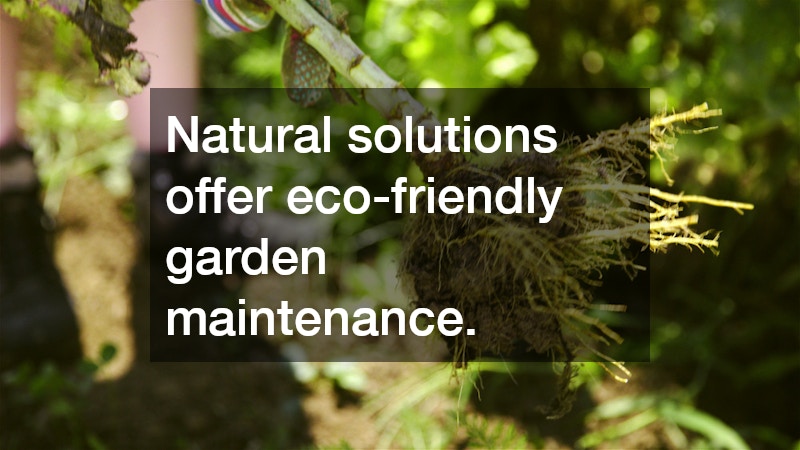
Natural solutions offer eco-friendly garden maintenance. Mulching with organic materials suppresses weeds and retains moisture. Vinegar or salt-based sprays kill weeds without chemicals. Companion planting deters weed emergence by optimizing space. Cover crops compete naturally, and allelopathic plants suppress weeds chemically. Solarization uses heat to sterilize soil.
How can I prevent weeds from growing in the first place?
Soil Health and Preparation
Healthy soil deters weed establishment. Amend soil with organic matter for better structure and nutrients, promoting beneficial bacteria and fungi. Preparing includes removing existing vegetation and identifying persistent weeds. Rototilling improves root access to nutrients, and rotational planting prevents nutrient exhaustion. Raised beds and weed barriers limit weed space. Careful soil preparation enhances resistance against invasive species.
Mulching Practices
Mulching prevents weeds while enriching soil. Organic mulches decompose, releasing nutrients and blocking light to stall weed growth. A thick mulch layer encourages strong plant development, naturally outcompeting weeds. Mulch use reduces chemical herbicide need and enhances soil health. Different mulching techniques accommodate varied garden designs, promoting sustainable weed control.
Use of Ground Covers
Ground covers suppress weeds by blocking sunlight. Choose species suitable for your climate, offering visual appeal and requiring less maintenance. Positioned strategically, ground covers provide efficient weed control without much chemical intervention. Selecting drought or moisture-tolerant varieties ensures successful establishment and additional erosion control benefits.
When is the best time to tackle weeds?
Seasonal Weed Control
Seasonal timing boosts weed control efficacy. Addressing weeds in early spring prevents seeding, while pre-emergent applications in colder months protect perennials. Local climate factors demand tailored timing approaches, combining knowledge of plant physiology and climate awareness for effective weed invasion defense.
Understanding Weed Life Cycles
Knowing weed life cycles enhances control strategies. Annual weeds need prompt action before seeding, while biennials require attention in the second year. Mapping weed occurrences and observing growth patterns allow effective interventions. Lifecycles offer advantages, providing signals for habitat restoration and leverage points for control.
Timing of Herbicide Application
Herbicide application requires precise timing. Apply when weeds are most absorbent, recognizing detailed growth phases for targeted treatment. Pre-emergent herbicides are best in spring, while post-emergent application demands timing adjustments for local climate conditions.
Are there any tools that can help with weed control?
Essential Gardening Tools
Effective tools improve weed management efficiency and reduce strain. Basic hand tools, long-handled hoes, and specialized manual weeders help precise weed extraction. Tool care promotes resource optimization and safe operation.
Innovative Weed Control Devices
Modern technology complements traditional weed management. Electric weeders, flame weeders, and powered trimmers offer chemical-free solutions. Robotics and sensor detection provide precision removal and workload minimization.
Utilizing Technology in Weed Management
Technology improves strategic weed management. GPS systems, drones, and software solutions offer precise application and diagnostic analysis. Automatic irrigation systems and artificial intelligence create data-driven frameworks for environmental stewardship.
What role do plants and biodiversity play in weed management?
Beneficial Plant Selection
Beneficial plants naturally suppress weeds by minimizing light and space available to them. Plants such as marigolds and lavender deter pests and increase resilience. Edible plant pairings maximize decorative and practical benefits.
Enhancing Ecosystem Diversity
Biodiverse ecosystems thwart weed pressures through ecological balance. Invited pollinators regulate pest populations, enriching garden structures and balancing weed growth. Enhancements that cater to climate resilience ensure self-regulating ecosystems that naturally repel intrusive plants.
Companion Planting Strategies
Companion planting leverages plant interactions for natural weed prevention and garden health. Native plant groupings offer organic pest control, encouraging sustainable, harmonious garden frameworks.
By implementing these strategies, you can create a weed-free garden that thrives using combined methods to maintain a healthy environment.