
Upgrading your home’s exterior is more than a cosmetic project — it’s a strategic investment in durability, energy efficiency, safety, and long-term value. Modern homeowners are increasingly focused on creating outdoor spaces that are not only visually appealing but also functional and resilient against changing weather conditions. From roofing and siding to lighting and landscaping, every exterior component plays a role in protecting your property and enhancing curb appeal.
A well-maintained exterior can reduce repair costs, improve comfort, and significantly boost resale value. It also contributes to peace of mind, knowing your home can withstand seasonal storms, temperature swings, and everyday wear. Whether you’re preparing to sell, planning to stay long term, or simply refreshing your home’s appearance, having a structured checklist ensures nothing gets overlooked.
This comprehensive guide walks you through the ultimate exterior upgrade plan, breaking down each critical area and explaining how to approach improvements thoughtfully and efficiently.
1. Assessing Your Roof’s Condition
Inspecting for Visible Damage
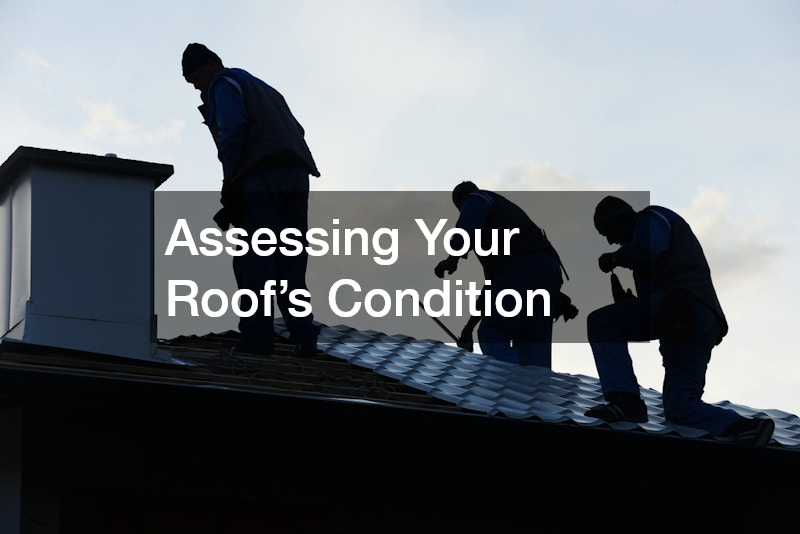
The roof is your home’s first line of defense against the elements. Begin by conducting a visual inspection from the ground using binoculars if needed. Look for:
- Missing, cracked, or curling shingles
- Dark streaks or discoloration
- Moss or algae growth
- Accumulated debris in roof valleys
- Rusted or lifted flashing
Even minor issues can allow moisture intrusion over time. If you notice concerns, consulting experienced local roofers can help you determine whether targeted repairs or a full replacement is the smarter investment.
Evaluating Structural Integrity
Surface damage is only part of the picture. You should also examine the structural components of your roofing system. Inside the attic, check for:
- Daylight coming through the boards
- Water stains on rafters
- Mold or mildew odors
- Improper ventilation
Poor airflow can trap heat and moisture, shortening roof lifespan and increasing energy costs. Structural stability is just as important as visible appearance.
Considering Material Upgrades
If your roof is nearing the end of its lifespan, upgrading materials can enhance both durability and style. Modern options include:
- Architectural asphalt shingles with improved wind resistance
- Metal roofing for longevity and recyclability
- Synthetic slate for a high-end look without excessive weight
- Impact-resistant shingles for storm-prone regions
Choosing advanced materials can reduce maintenance demands while boosting curb appeal.
Scheduling Preventative Maintenance
Preventative care extends the life of your roof. Establish a routine that includes:
- Annual professional inspections
- Gutter and debris cleaning
- Post-storm evaluations
- Flashing and sealant checks
Proactive maintenance prevents small issues from becoming major structural repairs.
2. Strengthening Waterproofing and Drainage
Identifying Water Entry Points
Water damage is one of the most costly exterior problems homeowners face. Conduct a thorough inspection of:
- Foundation walls
- Basement corners
- Window and door seals
- Exterior utility penetrations
- Caulking around trim
Even hairline cracks can allow water intrusion over time, leading to mold growth and structural deterioration.
Partnering with Professionals
When moisture problems are persistent, working with a reputable waterproofing business ensures proper diagnostic testing and long-term solutions. Professionals may recommend:
- Exterior membrane systems
- Interior drainage channels
- Sump pump installation
- Foundation sealing treatments
Professional waterproofing safeguards both your structure and indoor air quality.
Improving Grading and Runoff
Your yard’s slope plays a critical role in water management. Ensure the ground around your home:
- Slopes away from the foundation
- Does not allow pooling near walls
- Directs runoff toward designated drainage areas
Installing French drains or extending downspouts can dramatically reduce foundation stress.
Maintaining Gutters and Downspouts
Gutters are essential for diverting water away from your home. Establish a maintenance plan to:
- Remove leaves and debris twice per year
- Inspect seams and joints
- Tighten brackets and fasteners
- Confirm proper downspout discharge
A clean and secure drainage system prevents siding damage and basement flooding.
3. Upgrading Siding for Protection and Style
Checking for Wear and Warping
Siding acts as a protective shell for your home. Inspect carefully for:
- Cracks or chips
- Warped or buckled panels
- Peeling paint
- Mold or mildew stains
- Gaps between panels
Compromised siding can lead to moisture infiltration and reduced insulation performance.
Consulting Installation Experts
Professional local siding contractors can assess the extent of damage and recommend repair or replacement. They can also identify hidden issues beneath existing panels, such as rotted sheathing or insufficient insulation.
Exploring Contemporary Materials
Today’s siding materials offer enhanced durability and low maintenance. Options include:
- Fiber cement is resistant to pests and fire
- Engineered wood with moisture resistance
- Insulated vinyl panels
- Modern metal cladding
Each material provides unique aesthetic and performance benefits, allowing homeowners to align upgrades with long-term goals.
Enhancing Energy Efficiency
Adding insulated siding or upgrading underlying barriers improves thermal performance. Combined with proper air sealing, this reduces heating and cooling costs while maintaining comfortable indoor temperatures year-round.
4. Enhancing Outdoor Living Spaces
Evaluating Existing Structures
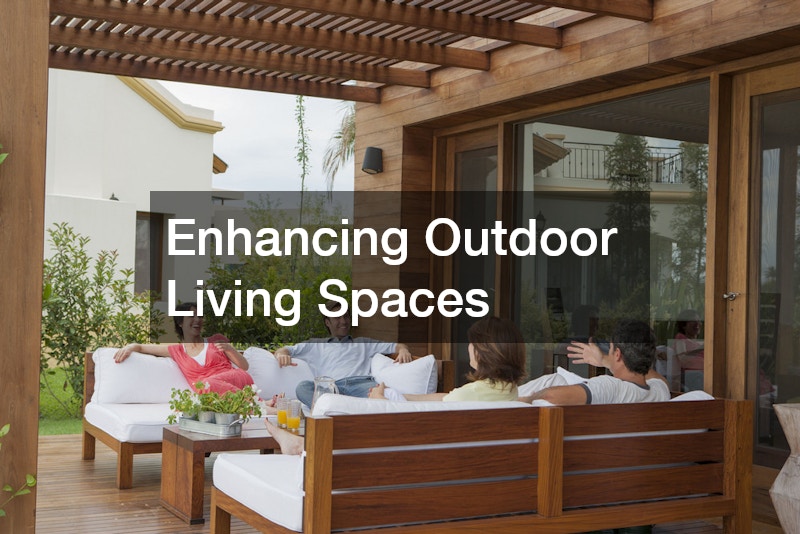
Outdoor living areas significantly influence property value and lifestyle enjoyment. Examine:
- Deck boards for rot or splintering
- Railings for stability
- Support posts for structural integrity
- Fasteners for corrosion
A detailed inspection ensures safety before planning cosmetic upgrades.
Planning Structural Improvements
In some cases, deck replacements are necessary due to age or structural deterioration. Warning signs include:
- Extensive wood rot
- Sagging surfaces
- Loose ledger boards
- Shifting foundations
Modern composite decking provides long-lasting performance with minimal maintenance.
Adding Comfort Features
To create a welcoming space, consider:
- Outdoor kitchens or grilling stations
- Built-in benches
- Fire pits or fireplaces
- Pergolas for partial shade
- Weather-resistant lighting
Functional features transform basic decks into full entertainment zones.
Prioritizing Safety and Compliance
Always ensure that your outdoor structures meet building codes. Railings should meet height requirements, and stairs must include secure handrails and proper tread depth to prevent accidents.
5. Improving Insulation and Energy Performance
Inspecting Exterior Walls and Attics
Energy inefficiencies often originate in overlooked areas. Inspect attic insulation levels and exterior wall cavities. Look for gaps, compressed insulation, or signs of moisture damage.
Choosing Advanced Insulation Solutions
Spray foam insulation is a popular modern solution due to its ability to expand into cracks and crevices. It provides superior air sealing and thermal resistance compared to traditional materials.
Sealing Gaps and Penetrations
Pay close attention to:
- Utility line openings
- Exterior outlets
- Window frames
- Door thresholds
- HVAC penetrations
Proper sealing reduces drafts and prevents moisture buildup.
Reducing Utility Costs
Enhanced insulation contributes to:
- Lower heating and cooling bills
- Increased indoor comfort
- Reduced HVAC strain
- Improved environmental sustainability
Energy-efficient upgrades not only benefit your wallet but also extend the lifespan of mechanical systems.
6. Upgrading Driveways and Entry Points
Inspecting Surface Integrity
Your driveway and walkways are among the most heavily used exterior surfaces on your property. Over time, exposure to weather, vehicle weight, and shifting soil can lead to deterioration. Carefully examine the surface for:
- Hairline cracks that may expand
- Deep fractures or potholes
- Uneven settling or sinking areas
- Water pooling after rainfall
- Edge crumbling or surface flaking
Small cracks may seem minor, but they can quickly widen due to freeze-thaw cycles and water infiltration. Addressing early signs of wear prevents structural failure and preserves curb appeal.
Hiring the Right Professionals
When resurfacing or replacement becomes necessary, working with a qualified driveway contractor ensures proper base preparation, grading, and material application. A professional installation process typically includes:
- Excavating damaged material
- Installing a stable gravel base
- Ensuring the correct slope for drainage
- Compacting layers to prevent future settling
Choosing between asphalt, concrete, or pavers depends on climate, budget, and desired aesthetics. A well-installed driveway can last decades with proper care.
Enhancing Curb Appeal
Modern driveway upgrades can elevate your home’s appearance significantly. Consider design improvements such as:
- Decorative stamped concrete patterns
- Contrasting paver borders
- Integrated pathway lighting
- Coordinated walkway connections to the front entrance
These design details create a polished, cohesive look that enhances the overall exterior presentation.
Maintaining for Long-Term Durability
Ongoing maintenance protects your investment. Homeowners should:
- Seal asphalt surfaces every few years
- Pressure wash concrete periodically
- Repair small cracks promptly
- Keep drainage pathways clear
A proactive approach extends lifespan and minimizes costly future repairs.
7. Securing the Garage and Access Points
Evaluating Door Performance and Safety
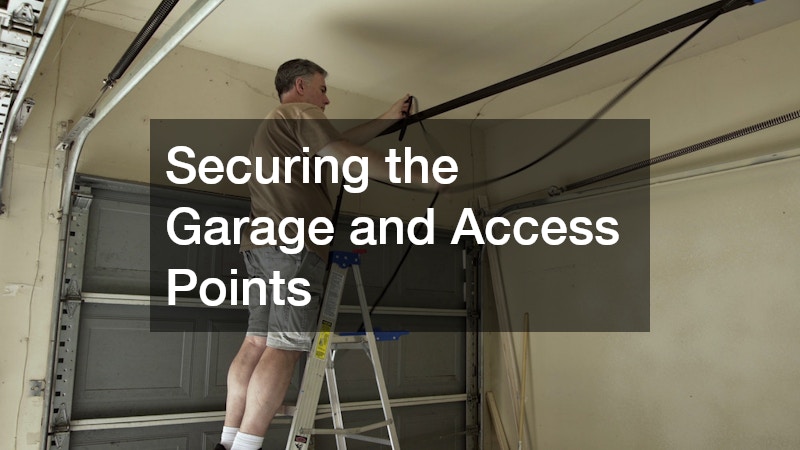
Garage doors are often the largest moving component of a home. Regular inspection helps identify issues before they become dangerous. Watch for:
- Grinding or squeaking sounds
- Slow or uneven movement
- Shaking during operation
- Worn cables or springs
Prompt garage door repairs reduce safety risks and prevent sudden mechanical failure.
Upgrading for Efficiency and Modern Design
If your garage door is outdated, upgrading can improve both insulation and aesthetics. Modern doors offer:
- Energy-efficient insulated panels
- Reinforced steel or composite construction
- Quiet belt-driven openers
- Contemporary window designs
Energy-efficient models help regulate indoor temperatures, especially if the garage is attached to living spaces.
Improving Weather Sealing
Weather stripping and bottom seals degrade over time. Replacing them prevents:
- Drafts entering the home
- Water seepage during storms
- Pest intrusion
- Dust accumulation
Maintaining tight seals protects both your garage and interior rooms.
Enhancing Security Features
Today’s homeowners are increasingly integrating technology into access points. Consider:
- Smart garage door openers with mobile monitoring
- Keypad entry systems
- Motion-sensor exterior lighting
- Reinforced locking systems
These improvements strengthen security and provide added convenience.
8. Managing Pests and Protecting Exterior Surfaces
Identifying Vulnerable Areas
Exterior upgrades should always include pest prevention measures. Inspect your property for common vulnerabilities such as:
- Gaps beneath siding
- Cracks in foundations
- Damaged vent covers
- Unsealed attic openings
- Spaces around utility penetrations
Sealing these areas reduces the likelihood of insects and rodents entering your home.
Establishing Preventative Treatments
Working with a trusted local pest control company allows you to implement seasonal treatment plans tailored to your region. Professional services can help control:
- Termites
- Ant colonies
- Mosquito populations
- Rodents
- Wasps and other stinging insects
Preventive programs are typically more cost-effective than addressing infestations after damage occurs.
Landscaping Adjustments for Pest Control
Your landscaping can either invite or deter pests. Improve your yard’s resilience by:
- Trimming tree branches away from the roof
- Keeping shrubs at least a foot from the siding
- Removing standing water sources
- Limiting dense mulch layers near foundations
These simple changes significantly reduce pest attraction.
Monitoring and Maintenance
Even with preventative measures, routine observation is essential. Keep an eye out for:
- Chewed wood or wiring
- Droppings near entry points
- Mud tubes along foundations
- Unusual insect activity
Early detection helps prevent costly structural damage and health risks.
9. Maintaining Pools and Outdoor Amenities
Inspecting Structural Components
If your property includes a pool, spa, or similar feature, consistent maintenance is critical. Evaluate:
- Surface integrity for cracks or peeling
- Tile alignment and grout condition
- Deck stability around the pool perimeter
- Proper functioning of pumps and filters
Ignoring minor issues can lead to expensive repairs down the line.
Scheduling Professional Care
Reliable pool maintenance services help maintain balanced water chemistry and efficient equipment operation. Regular servicing often includes:
- Water testing and chemical adjustments
- Filter cleaning
- Pump inspections
- Leak detection
Professional oversight ensures both safety and compliance with local regulations.
Upgrading for Energy Efficiency
Modern pool equipment offers energy-saving benefits. Consider upgrading to:
- Variable-speed pumps
- LED underwater lighting
- Automated cleaning systems
- Solar heating options
Energy-efficient systems reduce operational costs while maintaining performance.
Enhancing Safety and Comfort
Safety should always be a priority. Improvements may include:
- Secure fencing and self-closing gates
- Slip-resistant decking materials
- Pool alarms
- Durable weather covers
Comfort upgrades such as shaded lounge areas and updated seating enhance usability and enjoyment.
10. Adding Shade and Outdoor Comfort Features
Assessing Sun and Wind Exposure
Understanding your property’s exposure to sunlight and wind patterns helps guide shade installation decisions. Spend time observing:
- Peak sun hours
- Areas with minimal natural cover
- Wind-prone corners
- Heat-reflective surfaces
Strategic planning ensures comfort improvements are placed effectively.
Installing Practical Shade Solutions
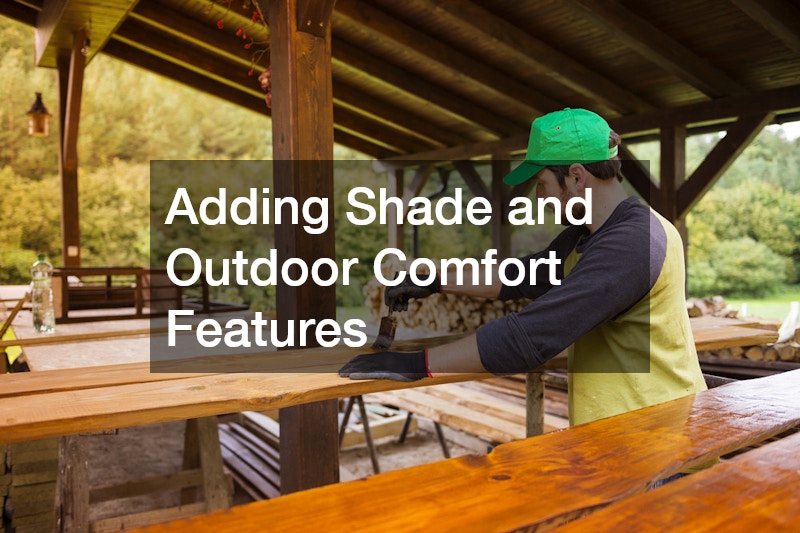
Patio shades provide flexible coverage and protection from harsh UV rays. Popular options include:
- Retractable awnings for adjustable coverage
- Shade sails for modern aesthetics
- Pergolas with integrated canopies
- Motorized exterior screens
Properly installed shading systems extend the usability of outdoor living areas and protect furniture from sun damage.
Integrating Lighting and Technology
Modern outdoor spaces often incorporate smart features for convenience and ambiance. Enhancements may include:
- Programmable LED landscape lighting
- Motion-activated pathway lights
- Smart irrigation systems
- Outdoor audio systems
Technology integration improves both safety and entertainment value.
Creating a Cohesive Exterior Design
When adding new elements, aim for consistency in materials and color palettes. Choose finishes that complement existing architecture and landscaping. A unified design approach creates a polished, intentional appearance that elevates your entire property.
Upgrading your home’s exterior requires thoughtful planning, careful inspection, and strategic investment. By systematically addressing driveways, garages, pest prevention, outdoor amenities, and comfort features, homeowners can create a property that is both beautiful and resilient.
A proactive approach reduces unexpected repairs, improves energy efficiency, and enhances long-term property value. Rather than treating upgrades as isolated projects, viewing them as interconnected components of a larger system ensures every improvement works together to strengthen and modernize your home.
With the right checklist in place, you can confidently transform your exterior into a durable, functional, and inviting space designed to stand the test of time.