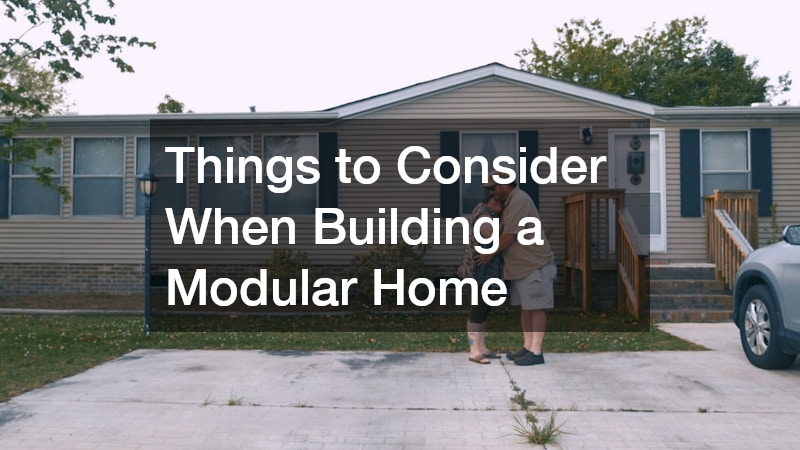
Building a modular home is an exciting opportunity to create a space that is efficient, customizable, and often more cost-effective than traditional construction. Unlike site-built homes, modular homes are constructed in sections within a controlled environment and then assembled on-site, offering speed and consistency without sacrificing quality.
However, success with a modular home project depends heavily on planning. From selecting the right professionals to preparing your land and anticipating long-term maintenance, every step plays a critical role in ensuring your home meets your expectations. This guide walks through the most important factors to consider, helping you make informed decisions and avoid costly mistakes along the way.
Start with the Right Builder for Your Vision
Choosing the right modular home builders is one of the most important decisions you’ll make. Your builder will influence everything from design flexibility to construction quality and overall experience.
Start by researching companies with a proven track record. Look for builders who specialize in modular construction rather than those who only offer it as a secondary service. Experience matters, especially when coordinating off-site fabrication with on-site assembly.
When comparing a manufactured home option versus modular construction, it’s essential to understand the distinction. Manufactured homes are built to federal standards and often offer fewer customization options, while modular homes must meet local building codes and typically provide more design flexibility.
Ask potential builders detailed questions, such as:
- How long have you been building modular homes?
- Can you provide references from recent clients?
- What is included in your base pricing?
- How do you handle delays or unexpected issues?
Also, review completed projects whenever possible. Photos are helpful, but if you can tour a finished home or speak directly with past clients, you’ll gain a much clearer understanding of the builder’s quality and professionalism.
Red flags to watch for include vague pricing, lack of communication, and limited warranties. A reputable builder will be transparent, organized, and willing to walk you through every step of the process.
Choose the Ideal Location and Prepare the Land

The land you choose will significantly impact your modular home’s performance, longevity, and overall cost. Before purchasing or building, evaluate the site carefully.
Start with a professional land assessment. This includes checking soil stability, drainage patterns, and slope. Poor soil conditions can lead to structural issues down the line, making foundation repair both expensive and disruptive.
Clearing the land is another critical step. Hiring a local tree service ensures that trees are removed safely and efficiently, especially if your lot is heavily wooded. Professionals can also help you decide which trees to keep for shade or privacy.
Key factors to consider when preparing your land:
- Soil composition and compaction requirements
- Drainage and water runoff patterns
- Accessibility for delivery trucks and cranes
- Utility connections (water, sewer, electric)
Foundation preparation is especially important for modular homes. Even though sections are built off-site, they still require a solid base. Any instability can lead to uneven settling, cracks, or long-term structural problems.
By investing time and resources into proper site preparation, you set a strong foundation—literally and figuratively—for the rest of your project.
Plan for Utilities Before Construction Begins
Utilities are often overlooked in the early planning stages, but they play a major role in your home’s comfort and functionality. Deciding how your home will be powered and heated should happen well before construction begins.
For many homeowners, propane tanks are a practical solution, especially in rural areas where natural gas lines may not be available. Propane can be used for heating, cooking, and even backup generators, making it a versatile energy source.
You’ll also need to coordinate with a heating and cooling service to design an HVAC system that suits your home’s layout and climate. Modular homes are typically energy-efficient, but proper system sizing and placement are still crucial.
Consider the following when planning utilities:
- Energy source options (electric, propane, solar)
- HVAC system efficiency ratings
- Ductwork design and placement
- Future maintenance and servicing needs
Timing is key. Utility installation must align with both the factory construction schedule and on-site assembly. Delays in one area can disrupt the entire timeline.
Budgeting is equally important. Utility hookups and equipment can add significant costs, so it’s wise to get detailed estimates early in the process.
Understand Local Building Codes and Permits

Navigating local regulations is an essential step in building a modular home. While modular construction offers efficiency, it must still comply with the same codes as traditional homes.
Working with experienced modular home builders can simplify this process, as they are typically familiar with local requirements and can help secure the necessary permits.
Permits may be required for:
- Site preparation and grading
- Foundation installation
- Utility connections
- Final occupancy approval
Additionally, inspections will occur at various stages of the project. These ensure that everything meets safety and quality standards.
In some cases, local codes may influence foundation design. If issues arise during inspections, you may need to address them through foundation repair or adjustments before proceeding.
To stay on track:
- Research zoning laws in your area
- Confirm that modular homes are permitted
- Work with professionals who understand local regulations
- Keep all documentation organized
Taking the time to understand and comply with these requirements helps prevent delays, fines, or costly modifications later.
Design a Layout That Fits Your Lifestyle
A well-designed layout can make your modular home feel spacious, functional, and tailored to your needs. Unlike traditional construction, modular homes require more upfront planning, as changes during assembly are limited.
When comparing options, you may find that a manufactured home offers simpler layouts, while modular designs allow for greater customization.
Think about how you use your space daily. Consider:
- Open versus closed floor plans
- Number of bedrooms and bathrooms
- Storage needs
- Dedicated work or hobby areas
Energy efficiency should also guide your design choices. Working with a heating and cooling service during this phase can help you optimize airflow, insulation, and system placement.
Additional tips for designing your layout:
- Maximize natural light with strategic window placement
- Plan for furniture arrangement early
- Include flexible spaces that can adapt over time
- Consider future needs, such as aging in place
A thoughtful layout not only improves your daily living experience but also adds long-term value to your home.
Budget Beyond the Base Price

One of the most common mistakes homeowners make is underestimating the true cost of building a modular home. The base price often covers only the structure itself, leaving out many essential expenses.
Transportation is a major cost factor. Modular sections are delivered via specialized trailers, and any issues during transit may require trailer repairs before installation can continue.
Similarly, understanding maintenance costs is important. Drawing parallels from mobile rv repair, modular homeowners should anticipate occasional upkeep related to structural movement, connections, and systems.
Hidden costs to account for include:
- Land preparation and clearing
- Foundation installation
- Utility hookups
- Permits and inspections
- Transportation and crane services
To stay financially prepared:
- Request detailed quotes from all contractors
- Build a contingency fund (10–20% of your budget)
- Track expenses throughout the project
- Avoid making last-minute design changes
Planning ahead ensures that you won’t be caught off guard by unexpected expenses.
Focus on Weather Protection and Durability
Protecting your modular home from the elements is essential for maintaining its value and structural integrity. Weather-related damage can lead to costly repairs if not addressed early.
Hiring local water proofing services can help safeguard your home against moisture intrusion, which is one of the most common issues homeowners face.
Proper site grading and drainage systems are equally important. Water should always flow away from your home, preventing pooling around the foundation. If left unchecked, this can lead to serious issues requiring foundation repair.
Key strategies for weather protection:
- Install high-quality roofing materials
- Seal windows and doors properly
- Use moisture-resistant insulation
- Maintain gutters and downspouts
In regions with extreme weather, additional reinforcements may be necessary. Investing in durability upfront reduces maintenance costs and extends the lifespan of your home.
Invest in High-Quality Entryways and Exterior Features

Your home’s exterior is the first thing people notice, but it also serves as a critical barrier against the elements. Investing in quality materials and professional installation pays off in both appearance and performance.
Working with experienced front door contractors ensures that your entryway is secure, energy-efficient, and properly sealed. A poorly installed door can lead to drafts, moisture issues, and higher energy bills.
Landscaping also plays a role in your home’s functionality. A local tree service can help you strategically place or maintain trees to provide shade, reduce wind exposure, and enhance curb appeal.
Consider these exterior improvements:
- Durable siding materials
- Energy-efficient windows and doors
- Well-designed walkways and driveways
- Landscaping that supports drainage and aesthetics
Balancing beauty with practicality ensures that your home remains attractive and functional for years to come.
Coordinate Transportation and Installation Logistics
The transportation and assembly of your modular home require careful coordination. Each section must arrive on-site in perfect condition and be installed efficiently.
Working closely with modular home builders helps streamline this process. They will coordinate delivery schedules, crane operations, and on-site assembly.
During transport, modules are subject to road conditions and weather. If issues arise, trailer repairs may be necessary before installation can proceed.
To ensure a smooth process:
- Prepare access roads for large delivery vehicles
- Clear obstacles such as low-hanging branches
- Confirm delivery timelines in advance
- Have a contingency plan for delays
Proper planning minimizes disruptions and keeps your project on schedule.
Plan for Long-Term Maintenance and Upgrades
Once your modular home is complete, ongoing maintenance is essential to preserve its value and functionality. While modular homes are built to high standards, they still require regular care.
Drawing insights from mobile rv repair practices, it’s helpful to adopt a proactive approach. Regular inspections can identify small issues before they become major problems.
Partnering with a reliable heating and cooling service ensures that your HVAC system operates efficiently year-round. Routine servicing can extend the life of your equipment and reduce energy costs.
Maintenance tips to follow:
- Inspect your foundation and exterior annually
- Clean and maintain gutters regularly
- Service HVAC systems at least once a year
- Check seals around windows and doors
Planning for upgrades is also important. Over time, you may want to improve energy efficiency, update finishes, or expand your living space.
Building a modular home is a rewarding process that combines efficiency, customization, and modern construction techniques. The journey begins with a vision—a dream of creating a space that reflects your personal tastes while providing a sanctuary of comfort and functionality. With the emergence of innovative construction methods, modular homes have become an increasingly popular choice for homeowners seeking both efficiency and style. By focusing on every detail, from layout and materials to aesthetics and practicality, you can ensure that the finished home not only suits your immediate needs but is also adaptable for future changes. The process is grounded in collaboration with a team of professionals—architects, builders, and designers—who bring their expertise to bear on realizing your vision. When you invest time and energy into selecting these key partners, you set the foundation for a successful project.
Taking a proactive, informed approach ensures that your investment delivers both comfort and value for years to come. To achieve this, it is crucial to stay engaged throughout the entire construction journey, making informed decisions at every juncture—from design selection to material choice and energy-efficient solutions. By doing so, you not only create a home that is secure and sustainable but also contribute positively to the environment and your community. Embracing the modular home process with an open mind and a keen eye for detail fosters a captivating blend of innovation and tradition, ultimately crafting a residence where memories will be made, cherished, and passed down to future generations.