A reliable heating system is essential for maintaining comfort during colder months, especially in regions where temperatures drop significantly. When a home heating system begins to age or lose efficiency, many homeowners start exploring replacement options. One of the most important decisions in this process involves furnace installation, which plays a key role in ensuring long-term comfort, energy efficiency, and system reliability. Choosing the right system and understanding how the installation process works can help prevent common issues and unexpected costs. With proper planning, homeowners can make informed decisions that improve both comfort and energy performance throughout the home.
Understanding When a Furnace Needs Replacement
Knowing when to replace a heating system is just as important as understanding how it operates. Most furnaces have a limited lifespan, and over time, performance naturally declines. One of the earliest signs of trouble is inconsistent heating, where certain rooms may feel warmer or cooler than others despite thermostat settings.
Rising energy bills can also indicate that a system is no longer operating efficiently. As components wear down, the furnace must work harder to maintain the same level of heat, which leads to increased energy consumption. Frequent repairs are another strong indicator that replacement may be more cost-effective than continued maintenance.
Strange noises such as banging, rattling, or humming can also signal internal wear or mechanical issues. While some problems can be repaired, recurring issues often suggest that the system is nearing the end of its usable life. In these situations, replacing the unit can provide better long-term value and improved performance.
Choosing the Right System for Your Home
Selecting the right heating system involves more than just choosing a brand or model. Home size, insulation quality, and climate conditions all play a role in determining the most suitable option. A system that is too small may struggle to heat the home effectively, while an oversized system may cycle too frequently, leading to inefficiency and uneven heating.
Energy efficiency ratings are also an important consideration. Higher-efficiency systems may have a higher upfront cost, but they often result in lower monthly energy bills over time. This makes them a strong long-term investment for many homeowners.
Fuel type is another factor to consider. Depending on the home’s infrastructure, systems may run on natural gas, electricity, or oil. Each option has its own advantages in terms of cost, availability, and performance.
Proper sizing and system selection are critical steps in ensuring a smooth furnace installation process. Taking the time to evaluate these factors helps ensure the new system meets the home’s heating needs effectively.
The Installation Process and What to Expect
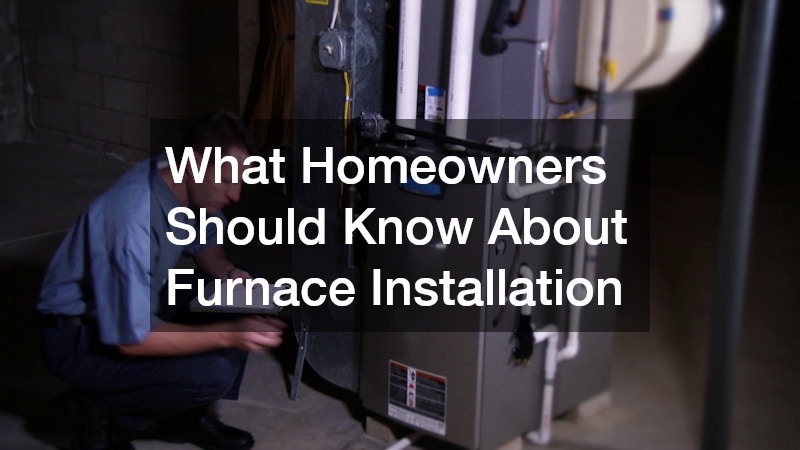
Understanding the installation process can help homeowners feel more prepared and confident when upgrading their heating system. The process typically begins with an assessment of the existing setup, including ductwork, ventilation, and electrical connections. This helps ensure compatibility with the new system.
Once the old unit is removed, the new system is carefully positioned and connected. This includes securing gas lines or electrical connections, attaching ductwork, and ensuring proper airflow throughout the home. Safety checks are performed at each stage to confirm that everything is functioning correctly.
After installation, the system is tested to ensure it operates efficiently and safely. This includes checking thermostat calibration, airflow levels, and overall system performance. Proper installation is essential for maximizing efficiency and extending the lifespan of the equipment.
Professional handling is especially important during this stage, as improper setup can lead to reduced performance or safety risks. This is why many homeowners rely on experienced technicians for furnace installation rather than attempting complex work on their own.
Energy Efficiency and Long-Term Savings
Modern heating systems are designed to operate more efficiently than older models, which can lead to significant energy savings over time. Improved technology allows for better heat distribution, reduced energy waste, and more consistent indoor temperatures.
Home insulation and duct quality also play a role in overall efficiency. Even a high-quality system can underperform if the home is not properly sealed or if ductwork has leaks. Addressing these factors alongside installation can further improve performance.
In many cases, homeowners notice a reduction in monthly utility bills after upgrading their system. While the initial investment may be higher, the long-term savings often offset the upfront cost. This makes system replacement a practical choice for many households looking to improve efficiency.
Maintenance and System Longevity
After a new heating system is installed, regular maintenance is essential for keeping it in good condition. Routine inspections help identify minor issues before they develop into major problems. This includes checking filters, cleaning components, and ensuring proper airflow.
Seasonal maintenance is especially important before peak usage periods. Preparing the system in advance helps ensure it operates efficiently when it is needed most. Neglecting maintenance can lead to reduced performance and increased wear over time.
Proper care can significantly extend the lifespan of a heating system. When combined with professional furnace installation, regular maintenance helps ensure reliable performance for many years.
Upgrading a home heating system is a major decision that requires careful planning and consideration. From selecting the right system to understanding the installation process, each step plays an important role in ensuring long-term comfort and efficiency. When done correctly, furnace installation provides improved heating performance, better energy efficiency, and greater reliability during cold weather.
By choosing the right equipment and maintaining it properly, homeowners can enjoy consistent indoor comfort while also reducing energy costs over time. A well-planned installation is not just an upgrade—it is an investment in long-term home comfort and efficiency.