Highlights:
-
The Principle of Shingling is Critical: Always install house wrap from the bottom of the structure upward, ensuring that every higher layer overlaps the lower row by at least 6 inches so water naturally drains down and away from the wood sheathing.
-
Vapor Permeability Protects Against Rot: High-quality house wrap acts as a one-way street; it completely blocks liquid water from entering from the outdoors while allowing internal water vapor to escape, preventing hidden mold and structural wood decay.
-
Window and Door Flashings Require Strict Integration: Openings are highly vulnerable leak points that must be carefully cut using a modified I-cut method and layered with self-adhering flashing tapes to create a continuous, weather-tight path around the frames.
-
Fasteners and Seams Must Be Properly Sealed: Standard construction staples create unsealed puncture holes. Utilizing specialized plastic cap fasteners and sealing every horizontal and vertical joint with matching manufacturer-approved seam tape is mandatory to block drafts and water leaks.
-
Material Selection and UV Exposure Limits Matter: Different siding options (like vinyl, brick, or fiber cement) require specific wrap configurations or drainage spaces. Additionally, house wrap cannot be left exposed to sunlight indefinitely, as ultraviolet rays will degrade the plastic over time.
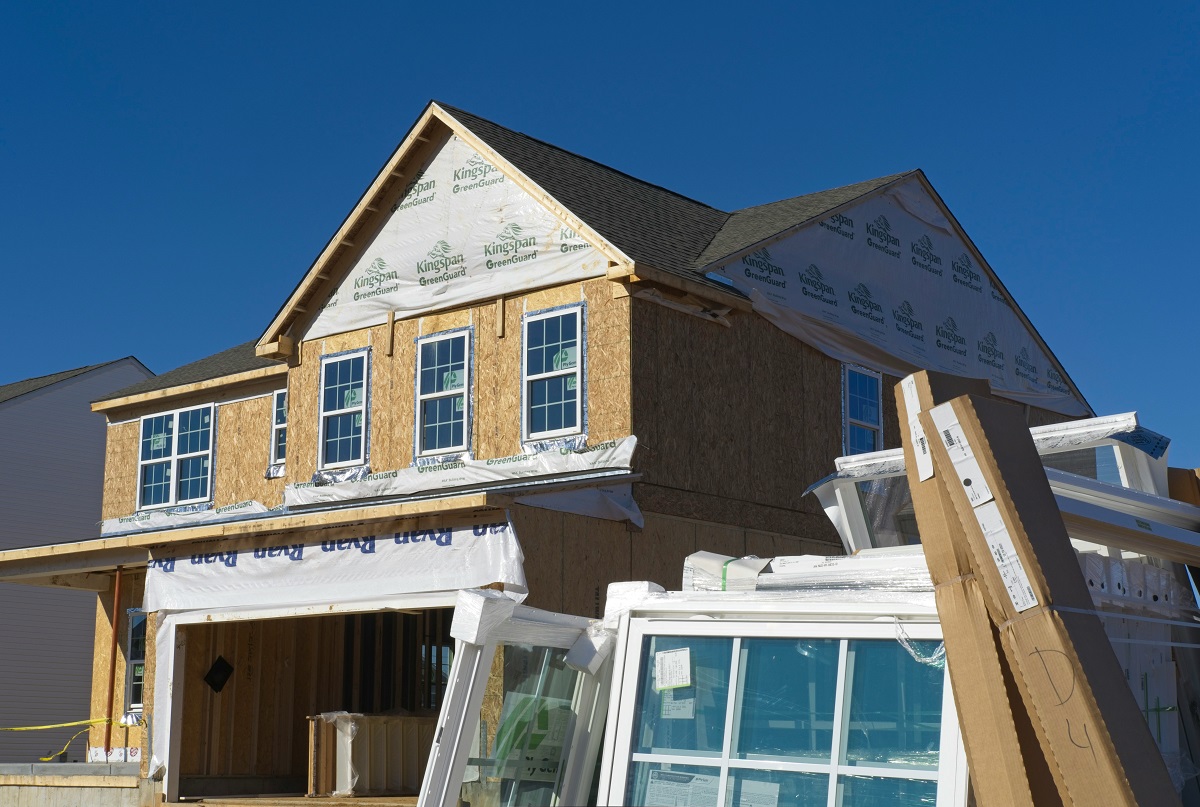
Building or remodeling a home is a massive undertaking, and it is easy to get caught up in the exciting choices like picking out kitchen countertops, selecting paint colors, or choosing the perfect siding. But long before those beautiful finishes ever go up, there is a hidden layer that does the heavy lifting to protect your investment. That layer is house wrap.
Think of house wrap as a high-tech windbreaker for your home. It sits quietly between your wood framing and your exterior siding, working around the clock to keep water out while letting your house breathe. Get this step wrong, and you risk dealing with hidden rot, mold, and skyrocketing energy bills down the line. Get it right, and you ensure your home stays dry, comfortable, and structurally sound for decades.
Whether you are a dedicated DIYer tackling an addition or a homeowner wanting to make sure your contractor does the job right, this deep dive will walk you through exactly how to install house wrap for maximum weather protection and moisture control.
What Exactly Is House Wrap and Why Do You Need It?

House wrap is a synthetic, lightweight material that belongs to a family of construction elements known as Weather-Resistive Barriers, or WRBs. In the old days, builders used heavy felt paper saturated with asphalt to protect walls. Today, modern technology has given us woven or non-woven polyolefin fabrics that are incredibly strong, tear-resistant, and highly engineered.
But why can’t you just rely on your siding to keep the weather out? Siding is your home’s first line of defense, but it is never completely waterproof. Vinyl siding has weep holes and loose joints, wood siding expands and contracts creating gaps, and fiber cement can hold moisture. Wind-driven rain and snow will eventually sneak behind your siding. When it does, the house wrap is the second line of defense that stops that water from soaking into your plywood or oriented strand board (OSB) sheathing.
The magic of high-quality house wrap lies in its vapor permeability. It is a one-way street for moisture. It stops liquid water from entering from the outside, but it allows water vapor—like the moisture generated inside your home from cooking, showering, and breathing—to escape out into the atmosphere. If moisture gets trapped inside your walls with nowhere to go, it creates a breeding ground for wood-destroying fungi and toxic mold.
What Are the Main Types of House Wrap on the Market?
Before you head to the home improvement center or lumberyard, you need to know what you are looking at. Not all house wraps are created equal, and choosing the right one depends on your budget, your climate, and your siding choice.
Woven House Wraps
Woven wraps are made by weaving plastic ribbons together. They are typically the most budget-friendly option and are incredibly tough to tear during installation. However, they often rely on micro-perforations (tiny pinholes punched into the fabric) to allow vapor to escape. The downside is that liquid water under pressure can sometimes force its way through these tiny holes, meaning they offer slightly less bulk water resistance than other types.
Non-Woven House Wraps
Non-woven wraps are made by spinning fine fibers together in a random pattern and bonding them with heat. The most famous example of this is DuPont Tyvek. Because of how they are manufactured, non-woven wraps have microscopic pores that are too small for liquid water molecules to pass through, but large enough for vapor molecules to escape. They offer superior water resistance and excellent breathability.
Drainable House Wraps
Drainable wraps are a newer innovation designed specifically for wet climates or for use under siding materials that trap moisture, like stucco or fiber cement. These wraps feature built-in spacers, wrinkles, or raised textures on the surface. These small bumps create a dedicated drainage space between the wrap and the siding, allowing water that sneaks past the exterior to slide straight down to the ground quickly and efficiently.
Commercial-Grade Wraps
If you live in an area prone to severe weather, high winds, or extreme storms, commercial-grade wraps offer enhanced UV protection and higher tear strength. They can be left exposed to the elements for months during construction without degrading, which is a huge plus if your build schedule gets delayed.
What Tools and Materials Do You Need Before Starting?
Preparation is everything when it comes to a flawless house wrap installation. If you have to stop mid-project because you ran out of tape or grabbed the wrong fasteners, you lose momentum and risk leaving sections vulnerable to sudden rainstorms. Gather these essential tools and materials before you unroll the first foot of fabric:
-
The House Wrap: Measure your exterior wall square footage and add roughly 10% to 15% to account for overlaps and waste.
-
Flashing Tape: A high-quality, self-adhering flashing tape (often called peel-and-stick) is mandatory for sealing windows and doors. Choose a flexible flashing tape for curved areas or windowsill pans.
-
Seam Tape: Use the matching manufacturer-approved seam tape to seal the joints between your house wrap sheets. Do not use standard duct tape; it will break down and fail within months.
-
Cap Fasteners: Plastic cap staples or plastic cap nails are highly recommended. The plastic cap seals the hole made by the staple or nail, preventing water from leaking through the penetration point.
-
Hammer Tacker or Pneumatic Stapler: For driving home your fasteners quickly.
-
Utility Knife: With a sharp supply of replacement blades for crisp, clean cuts around openings.
-
Straightedge or Level: To keep your lines straight and ensure your overlaps match up perfectly.
-
Caulk or Sealant: A high-performance polyurethane or elastomeric sealant for sealing structural joints and window flanges.
How Do You Prepare the Walls for Installation?
You cannot just slap house wrap over a messy wall and expect it to work perfectly. The preparation phase is your opportunity to catch structural issues before they get buried behind a layer of fabric and siding forever.
First, inspect the entire plywood or OSB sheathing surface. Look for any protruding nails or staples that backed out during framing. Take a hammer and drive them flush. A single sharp nail head can slice right through your house wrap as you stretch it tight, creating an immediate leak point.
Next, make sure the sheathing is completely dry and clean. If it rained recently, give the wood plenty of time to dry out. Wrapping damp wood traps that moisture inside the wall cavity, defeating the entire purpose of moisture control. Sweep away any sawdust, dirt, or construction debris clinging to the walls, as this debris can prevent your flashing tapes and sealants from bonding securely to the surface.
Finally, take a close look at your foundation sill plate—the point where the wood framing meets the concrete foundation. This area is highly susceptible to air infiltration and moisture wicking. Ensure the mudsill is properly sealed and clean so you can lap your house wrap down over it correctly.
How to Install House Wrap in 4 Steps
Now that your walls are prepped and your tools are ready, it is time to get to work. Installing house wrap is a systematic process that relies heavily on the principle of “shingling.” Just like the shingles on your roof, every upper layer of wrap must overlap the lower layer so that water naturally flows down and out, rather than catching an edge and running behind the barrier.
Step 1: Start at the Bottom Corner
Always begin your installation at a lower corner of the building. Unroll the fabric horizontally along the base of the wall. You want the bottom edge of the house wrap to extend past the sheathing-to-foundation joint by at least 2 inches. This ensures that any water running down the face of the wrap gets shed entirely clear of the wood framing. Keep the roll level as you move down the wall.
Step 2: Fasten with Care
As you unroll the wrap, have a partner hold it taut against the sheathing. Use your hammer tacker loaded with plastic cap staples to secure it. Space your fasteners roughly 12 to 18 inches apart vertically along the stud lines, and about 24 inches horizontally. Do not go crazy with the staples—you need enough to hold the material flat and resist wind flapping, but every staple is technically a hole in your weather barrier. Keep the material smooth and free of large wrinkles.
Step 3: Handle Corners with Overlaps
When you reach an exterior or interior corner, do not cut the wrap flush. Instead, wrap the material completely around the corner by at least 12 inches. This wrap-around technique creates a continuous, unbroken shield at the most vulnerable structural transition points of the house. Once the corner is wrapped, secure it tightly with cap fasteners before continuing down the next wall face.
Step 4: Shingle the Higher Rows
Once the bottom row is completely installed around the perimeter of the structure, start your second row above it. This is where the shingling principle is crucial. The upper row must overlap the top edge of the lower row by a minimum of 6 inches. If you are working on a multi-story home, continue this pattern all the way up to the roof line, ensuring every single horizontal joint sheds water downward. Vertical joints where two rolls meet on the same row should overlap by at least 12 inches.
How Do You Properly Flash Windows and Doors?
Windows and doors are the most common leak sites in any home. If you do not integrate your house wrap with your window flashing correctly, water will eventually find its way into your wall cavities. The goal here is to create a weather-tight path that directs water around the opening and back out to the exterior.
The Modified I-Cut Method
When you run your house wrap over a window opening, do not just cut out the entire square. Instead, use your utility knife to make a modified “I-Cut” in the fabric. Cut horizontally along the top header of the window, horizontally along the bottom sill, and then make a single vertical cut down the exact center of the opening.
This creates two flaps of fabric on the sides and one at the bottom. Fold the side flaps tightly inside the window opening, wrap them around the framing studs, and secure them on the inside with staples. Cut away any excess material.
Creating the Header Flap
At the top of the window opening, make a diagonal cut outward and upward from each top corner, about 6 inches long. This creates a loose flap of house wrap above the window. Fold this flap up and temporarily tape it out of the way. You will need this flap later to overlap your final window header flashing.
Installing the Sill Flap and Pan Flashing
Before the window goes into the rough opening, protect the horizontal sill at the bottom. Install a piece of self-adhering flashing tape directly across the wood sill, extending it at least 6 inches up the vertical sides of the rough opening. This creates a waterproof “pan” that catches any water leaking through the window frame and keeps it away from the wood below.
Integrating the Window Flanges
Apply a thick bead of high-performance sealant to the back of the window’s top and side mounting flanges (do not seal the bottom flange, as you want an escape route for any trapped water). Push the window into the opening and fasten it according to the manufacturer’s directions.
Next, apply strips of self-adhering flashing tape over the side vertical flanges, extending them past the top and bottom of the window. Then, install a strip of flashing tape across the top header flange.
Dropping the Header Flap
Finally, unfasten the temporary house wrap flap you taped up above the window in the earlier step. Let it drop down over your newly installed header flashing tape. Secure the diagonal cuts with seam tape. By doing this, any water running down the upper wall will slide down the house wrap, over the flap, and safely past the window assembly.
What Are the Most Common Mistakes to Avoid?
Even with the best intentions, a few minor slip-ups can compromise your entire weather barrier system. Knowing what to watch out for can save you from costly headaches down the road.
-
Installing the Wrap Upside Down: Believe it or not, this happens all the time. Many house wraps are specifically engineered with a top side and a bottom side to facilitate proper vapor transmission and water shedding. Look for the printed logos and text on the roll; if the words are upside down, your wrap is probably backward or upside down.
-
Using Standard Construction Staples: Standard staples without plastic caps are thin and can slice through the house wrap under wind load, creating elongated holes that let in air and water. They also lack the surface area needed to hold the wrap securely during a heavy storm.
-
Forgetting to Tape the Vertical and Horizontal Seams: Simply overlapping the rows is not enough to stop air infiltration. Every single joint must be taped with manufacturer-approved seam tape. Leaving seams untaped allows wind to blow moisture right up under the layers.
-
Reverse Shingling: This is the absolute cardinal sin of weatherproofing. If an individual lower layer overlaps an upper layer, water running down the wall will run directly underneath the lower sheet and pool against your wood sheathing. Always work from the bottom up.
-
Leaving the Wrap Exposed for Too Long: House wraps are made of plastics that degrade when exposed to the ultraviolet (UV) rays of the sun. Most standard wraps can only handle 60 to 120 days of direct sunlight before they begin to break down and lose their waterproof qualities. Always check your wrap’s UV rating and schedule your siding installation accordingly.
How Does House Wrap Affect Energy Efficiency?
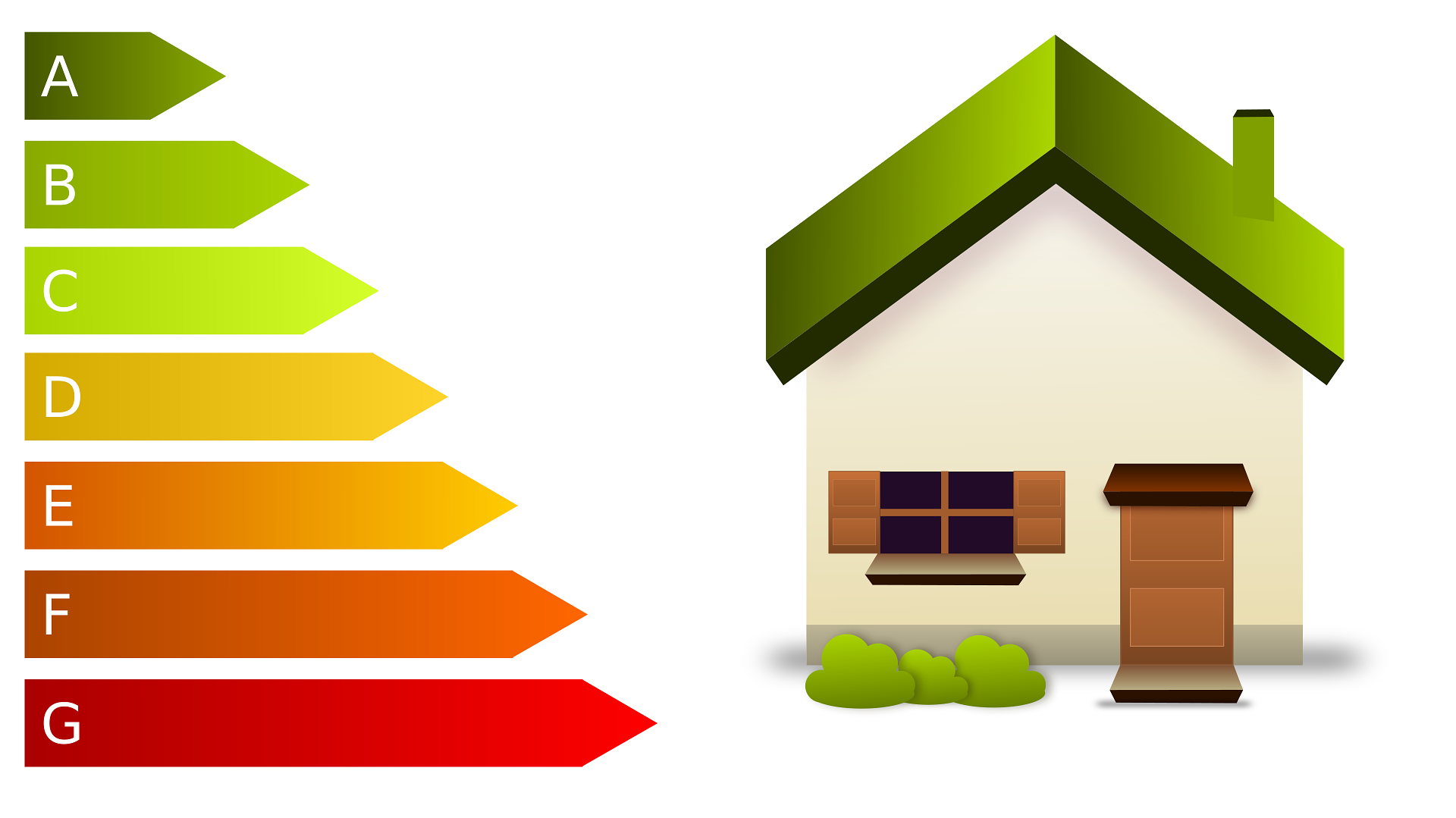
While the primary conversation around house wrap focuses on moisture control and rot prevention, its impact on your monthly utility bills is a massive secondary benefit. Liquid water is only half the battle; air movement is the other.
Uncontrolled air leakage through your walls can account for a massive percentage of a home’s heating and cooling energy loss. When wind blows against your home, it can force its way through microscopic gaps in your OSB sheathing joints, around electrical outlets, and through header assemblies. This drafty air replaces the conditioned air you just paid to heat or cool, forcing your HVAC system to work double time.
By wrapping your home tightly and sealing every single seam with high-quality tape, you create an effective air barrier. This drastically cuts down on drafts, balances out the temperature differences between rooms, and helps to boost home comfort and efficiency throughout the changing seasons.
Furthermore, when insulation stays dry and protected from wind washing—the phenomenon where moving air passes through insulation and lowers its R-value—it performs exactly how it was designed to, saving you money year after year.
How Do You Integrate House Wrap with Other Siding Types?
Different siding materials interact with moisture in vastly different ways. How you approach your house wrap system should change depending on what the final face of your home will look like.
Under Vinyl Siding
Vinyl siding acts like a giant umbrella, but it is far from airtight or watertight. Wind can easily drive rain behind vinyl panels through the lap seams. Because vinyl installations naturally allow for plenty of airflow behind the panels, a high-quality non-woven house wrap works beautifully here, giving the wall plenty of opportunity to shed water and dry out quickly.
Under Fiber Cement and Wood Siding
Fiber cement and real wood siding can hold onto moisture for extended periods. When the sun beats down on wet siding, it drives that trapped moisture inward toward the house wrap—a process known as solar driving. For these materials, using a drainable house wrap or creating a dedicated rain screen (using furring strips to create a gap between the wrap and the siding) is highly recommended to give water a clear escape path.
Under Brick Veneer and Stone
Brick and stone are highly porous materials that absorb water like a sponge. When it rains, they saturate, and as they dry out in the sun, a tremendous amount of vapor is pushed inward. If you are using brick or stone, you must maintain a clear 1-inch air space between the back of the masonry and your house wrap, and you should use a heavy-duty wrap with a high vapor permeability rating to ensure your sheathing can breathe.
Is House Wrap a Smart Long-Term Investment?
When you consider the total cost of building or renovating a home, house wrap represents a tiny fraction of the overall budget. Skimping on the material or rushing through the installation to save a few dollars is a classic example of being penny-wise and pound-foolish.
Think about what happens if your weather barrier fails. Water seeps into the walls unnoticed, rotting away your structural studs and sheathing over five to ten years. By the time you notice the soft drywall, peeling paint, or musty smell inside, the damage is already severe. Fixing a rotten wall cavity requires tearing off all your siding, replacing the structural wood, treating for mold, and reinstalling everything from scratch. That is a multi-thousand-dollar nightmare that could have been avoided with a properly installed 150-dollar roll of tape and fabric.
Investing in top-tier weather barriers is one of the smartest exterior upgrades for a safer home, protecting your family from structural failures and airborne mold spores while ensuring your hard-earned equity does not rot away from the inside out.
Frequently Asked Questions About House Wrap Installation
Can you use house wrap on old houses during a remodel?
Yes, and you absolutely should. If you are tearing off old, damaged siding on an older home, it is the perfect time to add a modern weather-resistive barrier. Older homes often lack any kind of sheathing protection or rely on degraded tar paper. Adding a modern wrap will dramatically reduce drafts and protect the aging structure from modern weather patterns.
What should you do if the house wrap gets torn during construction?
Do not panic, but do not ignore it either. Small tears, punctures, or rips can be easily repaired using manufacturer-approved seam tape. Simply cut a piece of tape large enough to cover the tear plus an extra 2 inches on all sides, flatten it out smoothly over the damage, and press it firmly to ensure a strong bond. For larger holes, cut a patch piece of house wrap, slide the top edge of the patch under the existing wrap above it (to maintain the shingling pattern), and tape all the edges down securely.
Is it necessary to tape the bottom edge of the house wrap to the foundation?
Typically, no. You want the house wrap to overlap the foundation line by a few inches so water can drip off the bottom edge naturally. Taping the absolute bottom edge can sometimes create a pocket that traps water if a leak happens higher up the wall. However, you should ensure the wrap is fastened tightly against the framing near the bottom so wind cannot blow it upward.
How long can you leave house wrap exposed before putting up siding?
This varies significantly by brand. Some economy woven wraps can only handle 30 to 60 days of UV exposure before they begin to degrade, become brittle, and lose their waterproof qualities. Higher-end non-woven or commercial-grade wraps can withstand anywhere from 120 days to 9 months of direct sunlight. Always read the specifications sheet for your specific product and plan your build timeline accordingly.
Can you use house wrap on a roof?
No. House wrap is specifically engineered for vertical wall applications and cannot handle the intense water volume, shedding angles, and high temperatures that roofing materials experience. Roofs require specialized roofing underlayments, such as synthetic sheets or asphalt-saturated felt paper, which are designed to withstand those unique conditions.
Should you use a vapor barrier inside if you have house wrap outside?
This depends entirely on your specific climate zone. In cold northern climates, a vapor barrier (like polyethylene sheeting) is often installed on the interior side of the wall studs to keep interior moisture from migrating into the insulation. The exterior house wrap remains vapor-permeable so the wall can dry toward the outside. In hot, humid southern climates, interior vapor barriers are often avoided because they can trap moisture driven inward by air conditioning. Always consult your local building codes to see what is required for your specific geographic region.
Final Thoughts on Achieving a Weather-Tight Home
Mastering the installation of house wrap comes down to patience, attention to detail, and a strict adherence to the laws of gravity. By focusing on proper shingling, using high-quality flashing tapes around your windows and doors, and selecting the right type of wrap for your specific siding material, you create a robust, resilient shield that keeps the elements at bay.
It is a satisfying project because you know that every staple driven and every seam taped is directly contributing to the long-term health, safety, and energy efficiency of your living space. Take your time, do not cut corners, and enjoy the peace of mind that comes with knowing your home is fully protected from the inside out.