Protecting your home’s exterior goes far beyond aesthetic appeal. A well-maintained exterior safeguards your property from the elements, prevents costly damage, and ensures long-term comfort and safety. From roofs to trees, driveways to siding, every component of your home’s outer structure plays a role in shielding it from environmental stressors, pests, and accidents. By taking a proactive approach to maintenance and upgrades, homeowners can mitigate risks before they escalate into expensive or hazardous situations.
The goal of exterior improvements is not just to maintain appearances but to create a resilient, safe, and energy-efficient living environment. Thoughtful upgrades strengthen the home’s envelope, reduce repair costs, and add value over time. Regular inspections, seasonal maintenance, and timely repairs all work together to protect structural integrity. For example, a neglected roof may lead to leaks, which can damage ceilings, walls, and electrical systems. Similarly, untrimmed trees can overgrow and damage siding or block gutters, increasing water-related risks.
Homeowners who plan strategically and hire qualified professionals for critical tasks often see long-term benefits. Proper scheduling, coordination, and documentation help manage costs and reduce the risk of overlooked vulnerabilities. By prioritizing projects based on urgency, environmental conditions, and potential damage, a home can remain safe, comfortable, and visually appealing year-round. This guide explores actionable strategies for improving the safety, durability, and functionality of a home’s exterior, offering practical tips across roofs, siding, doors, windows, trees, and driveways. Implementing these strategies provides a comprehensive approach that combines aesthetics, safety, and protection, creating a home that is resilient for years to come.
Evaluating Your Roof for Safety and Longevity
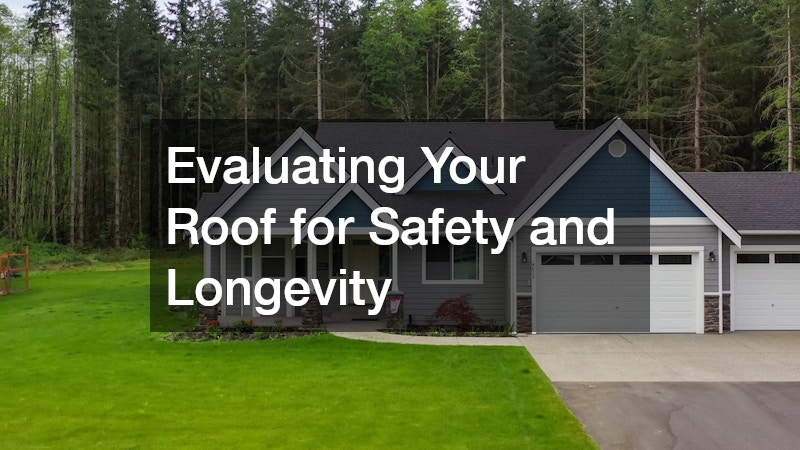
The roof is your home’s primary defense against weather, pests, and structural damage. Even small issues can escalate quickly, leading to leaks, mold, and compromised insulation. Evaluating your roof regularly ensures that minor problems are addressed before they become serious hazards. A detailed inspection includes both interior and exterior checks, ensuring that hidden damage doesn’t go unnoticed.
Key steps to assess roof health:
- Inspect shingles or tiles for curling, cracking, or missing pieces
- Check flashing around chimneys, vents, and skylights for gaps or rust
- Look for sagging or uneven areas that indicate structural stress
- Examine the attic for signs of leaks, moisture, or mold
- Monitor gutters and downspouts for proper drainage
When significant damage or age-related deterioration is detected, scheduling a roof replacement or roof installation ensures long-term protection. This involves careful selection of materials that withstand local weather conditions, proper ventilation, and expert installation techniques. A strong roof prevents moisture intrusion, maintains energy efficiency, and protects the home’s structural integrity.
Proactive roof maintenance also allows homeowners to budget repairs over time, avoiding unexpected emergencies. Routine inspections during different seasons help anticipate issues caused by heavy rain, snow, or extreme heat. The benefits of prioritizing roof care include reduced risk of water intrusion, extended material lifespan, improved insulation, and higher property value. Planning roof upgrades in combination with other exterior improvements, such as siding or door installation, further enhances home protection and curb appeal.
Leveraging Professional Roofing Support
Professional expertise is essential when it comes to roofing. While minor maintenance can sometimes be handled by homeowners, assessing structural issues and performing significant repairs requires trained technicians. Professional roofing services provide insight into hidden risks that could otherwise go unnoticed and ensure that repairs meet safety and quality standards.
Key considerations when hiring professionals include verifying licenses, certifications, and insurance coverage, reviewing client references, and evaluating experience with both repairs and full installations. Professional inspections often uncover issues that homeowners might overlook, such as compromised underlayment, failing sealants, or subtle structural stress. Addressing these concerns early prevents leaks, energy inefficiency, and further material deterioration.
Local roofer services can be particularly valuable because they understand regional climate patterns, material performance in local conditions, and compliance requirements. Coordination with a trusted professional ensures repairs are completed efficiently and safely. Routine inspections by trained technicians provide peace of mind, allowing homeowners to catch small problems before they escalate into costly emergencies.
In addition to preventing damage, professional roofing support extends the lifespan of the roof and preserves warranties. Regular maintenance also provides a documented record, which can increase resale value and satisfy insurance requirements. By investing in professional assessments, homeowners create a safer and more durable home exterior while minimizing both immediate and long-term repair costs. Strategic scheduling of roofing services, such as a roofing replacement service, alongside other exterior work, ensures a cohesive, functional, and visually appealing result.
Maintaining Your Driveway for Durability and Safety
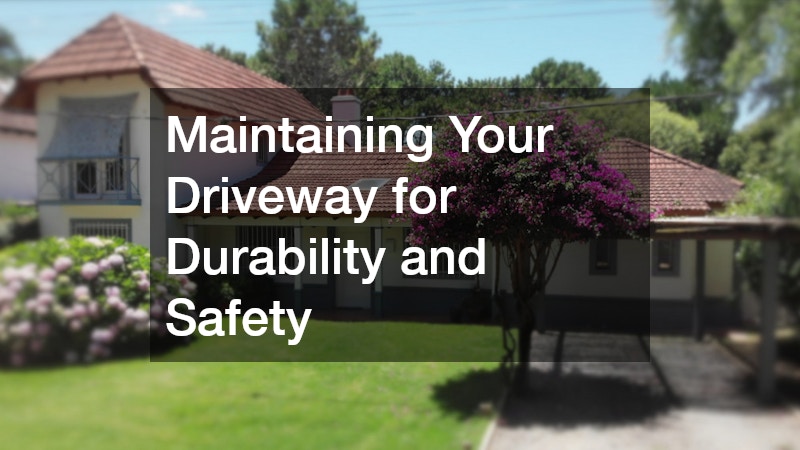
A driveway may seem secondary to other home components, but it plays a critical role in safety, curb appeal, and property preservation. Cracks, potholes, and water damage can create hazards for vehicles and pedestrians while compromising the foundation of your driveway over time. Regular maintenance prevents deterioration that can lead to costly repairs.
Maintaining a driveway involves routine inspection for surface cracks, chips, or uneven areas. Cleaning debris, such as leaves or oil stains, reduces the risk of slips and prevents damage from mold or mildew growth. Periodic sealing prevents water infiltration, which is especially important in climates with freezing temperatures. When water penetrates small cracks and freezes, it expands and accelerates structural failure.
Working with a driveway sealing company ensures proper surface preparation, material selection, and curing. Professionals can also recommend the best timing for sealing, often based on seasonal conditions, traffic patterns, and asphalt or concrete type. Routine maintenance improves safety for residents and visitors, reduces wear and tear on vehicles, and preserves the driveway’s appearance over time.
Benefits of proper driveway care include improved traction, reduced slip hazards, enhanced curb appeal, and extended structural integrity. Integrating driveway maintenance into a broader exterior improvement plan allows homeowners to coordinate projects efficiently and protect other features, such as landscaping or adjacent siding. By planning repairs proactively, driveways remain functional, visually appealing, and safe for daily use, preventing costly and inconvenient emergencies.
Enhancing Home Exterior with Durable Siding
Siding serves as the first line of defense against wind, rain, and pests. Vinyl siding, in particular, is a popular choice for homeowners seeking durability, low maintenance, and resistance to environmental stressors. It not only improves the appearance of a home but also strengthens its exterior envelope, preventing water intrusion and reducing energy loss.
Regular inspections are essential to detect cracks, warping, loose panels, or areas of discoloration. Cleaning at least once a year removes mildew, dirt, and debris, while ensuring proper sealing around windows, doors, and corners prevents leaks. Properly installed siding enhances insulation, reduces drafts, and maintains consistent indoor temperatures.
High-quality vinyl siding offers several benefits:
- Resistance to moisture, rot, and insect damage
- Long-term durability with minimal upkeep
- Enhanced energy efficiency
- Improved property value and curb appeal
Professional installation is crucial to prevent common mistakes, such as trapping moisture, creating gaps, or improper alignment. Coordinating siding upgrades with other exterior projects, such as door installation, roof replacement, or tree trimming, ensures a cohesive look while maximizing protection. A well-maintained siding system not only safeguards the home but also enhances comfort, reduces maintenance costs, and adds long-term value.
Upgrading Entryways for Security and Weather Protection
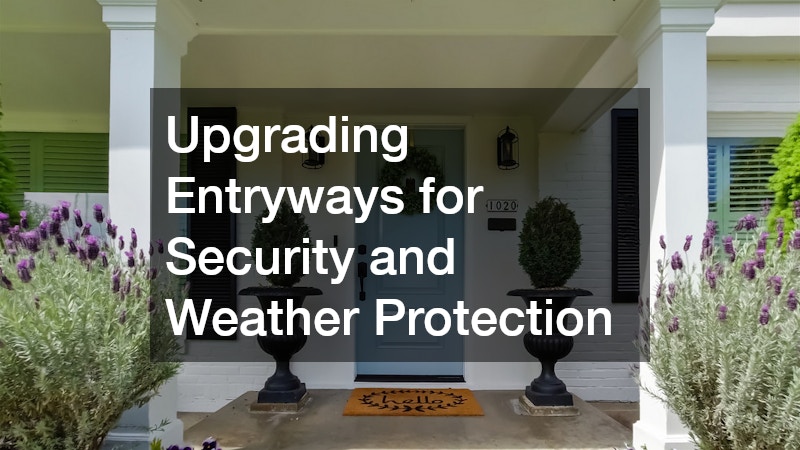
Entryways are a primary point of vulnerability for any home. A well-installed door not only provides security but also helps maintain energy efficiency, protects against the elements, and enhances curb appeal. Proper door installation ensures that drafts, moisture, and pests are kept out while supporting the overall structural integrity of the home.
When planning an entryway upgrade, homeowners should consider:
- Selecting doors made of durable, weather-resistant materials such as fiberglass or steel
- Choosing secure locking mechanisms and reinforced frames to deter break-ins
- Ensuring proper alignment and sealing to prevent drafts and water infiltration
Professional installation is critical. Even a minor misalignment can lead to air leaks, water damage, or uneven wear on hinges and locks. Coordinating door replacement with other exterior upgrades—such as vinyl siding installation or roof replacement—ensures consistency in appearance and functionality.
Additional benefits of entryway upgrades include:
- Reduced energy costs due to improved insulation
- Enhanced safety and security for all residents
- Increased property value and aesthetic appeal
- Longevity and reduced maintenance requirements
A strategically upgraded entryway not only improves the home’s protection against environmental stressors and intrusions but also contributes to long-term energy efficiency. By combining careful material selection, professional installation, and proper maintenance, homeowners can enjoy a secure, functional, and attractive entrance that supports overall exterior resilience.
Improving Safety and Ventilation with Egress Windows
Egress windows play a vital role in both safety and comfort, particularly in basement or below-grade living areas. These windows provide emergency escape routes while also increasing natural light and improving ventilation. Properly installed egress windows can prevent accidents during emergencies and contribute to a healthier indoor environment.
When considering egress window installation, homeowners should keep the following in mind:
- Ensure compliance with building codes, including minimum size and height requirements
- Evaluate placement to maximize accessibility and daylight entry
- Use professional installers to guarantee proper waterproofing and functional operation
Maintenance of egress windows is equally important. Regularly check for debris in window wells, inspect seals to prevent leaks, and ensure that the pathway to the window is unobstructed. Proper maintenance reduces the risk of water intrusion and mold growth, which can affect both health and structural integrity.
Beyond safety, egress windows enhance living space usability. They make basements more appealing for family rooms, bedrooms, or home offices while ensuring occupants can exit safely in emergencies. Properly installed and maintained egress windows increase home value, improve ventilation, and provide natural lighting that contributes to a more comfortable and welcoming interior environment.
Managing Trees to Protect Your Home
Trees add beauty, shade, and environmental benefits, but poorly maintained or overgrown trees can pose serious risks to a home’s exterior. Branches that hang too close to the roof or siding can cause physical damage during storms, while roots can interfere with foundations, driveways, or underground utilities. Professional tree services and regular tree trimming are essential for preventing hazards and maintaining landscape health.
Key strategies for effective tree management include:
- Conducting regular inspections to identify weak, diseased, or hazardous trees
- Removing or pruning branches that threaten structures or electrical lines
- Assessing the overall landscape to balance aesthetic appeal with safety
- Scheduling tree trimming during dormant seasons to minimize stress on the tree
Professional tree services bring expertise in safe pruning techniques, removal, and disease management. They also help homeowners anticipate risks posed by aging or unstable trees before storms or heavy winds cause damage. Trimming ensures branches do not interfere with roofs, gutters, or driveways, reducing the likelihood of costly damage or personal injury.
Integrating tree care into a comprehensive exterior maintenance plan benefits both the home and the environment. Healthy, well-managed trees improve curb appeal, enhance shade and energy efficiency, and protect structures from accidental damage. By combining tree services with other exterior improvements, homeowners create a cohesive and safe outdoor environment.
Coordinating Multiple Exterior Projects Efficiently
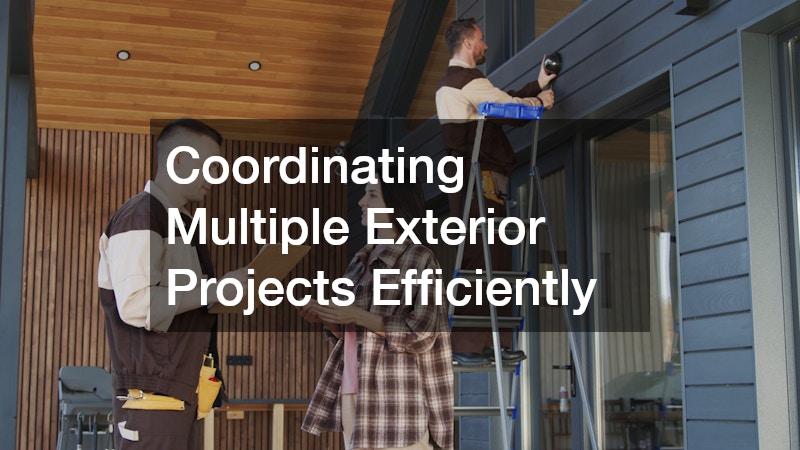
Homeowners often face multiple exterior improvement projects at once, from roof replacement and siding upgrades to driveway sealing and door installation. Coordinating these projects efficiently can save time, reduce costs, and minimize potential damage to existing work. Planning is essential to ensure that tasks complement rather than conflict with one another.
Strategies for effective project coordination include:
- Prioritizing projects based on urgency, seasonal conditions, and budget
- Scheduling inspections and repairs in logical order (e.g., tree trimming before roof replacement)
- Communicating clearly with contractors to avoid scheduling conflicts and overlaps
- Consolidating materials, labor, and equipment to optimize efficiency
- Maintaining a timeline to track progress and anticipate follow-up maintenance
A well-coordinated approach also allows homeowners to leverage synergies between projects. For example, trimming trees before roof installation prevents accidental damage to new shingles, while driveway sealing after heavy exterior work protects the surface from construction debris. Coordination ensures that each improvement contributes to overall exterior protection rather than creating gaps or vulnerabilities.
Benefits of this approach include:
- Reduced risk of accidental damage to new work
- Streamlined project timelines and reduced labor costs
- Enhanced safety during construction and maintenance
- Maximum protection for all exterior systems and structures
By thoughtfully coordinating projects, homeowners create a comprehensive, resilient exterior environment. A planned sequence of upgrades preserves both functionality and aesthetics, ensuring that the home remains safe, visually appealing, and durable over the long term.
Smart exterior home improvements combine functionality, safety, and aesthetics to create a resilient, long-lasting living environment. Proactive maintenance and strategic upgrades protect against weather, pests, and structural damage, reducing repair costs and safeguarding property value. From roof replacement and siding upgrades to driveway sealing, tree management, and egress windows, every component of the exterior contributes to overall home protection.
Working with qualified professionals for critical tasks ensures proper installation, compliance with building codes, and long-term performance. Regular inspections, timely repairs, and coordinated project management further enhance safety, efficiency, and aesthetic cohesion. Homeowners who integrate preventive maintenance and professional services experience fewer emergencies, lower repair costs, and increased peace of mind.
Ultimately, exterior improvements are not simply cosmetic upgrades—they are investments in safety, comfort, and longevity. A well-maintained home exterior withstands environmental stress, enhances energy efficiency, and protects residents from hazards, creating a property that is secure, functional, and visually appealing for years to come.